
Gas Safety and Planning
Ontario Carbon Monoxide Alarm Rules for Homes With Gas Appliances
Ontario expanded carbon monoxide alarm coverage on January 1, 2026. Here is the homeowner-focused version of what changed and how it relates to homes with gas appliances.
What to do first
Start with the immediate safety steps
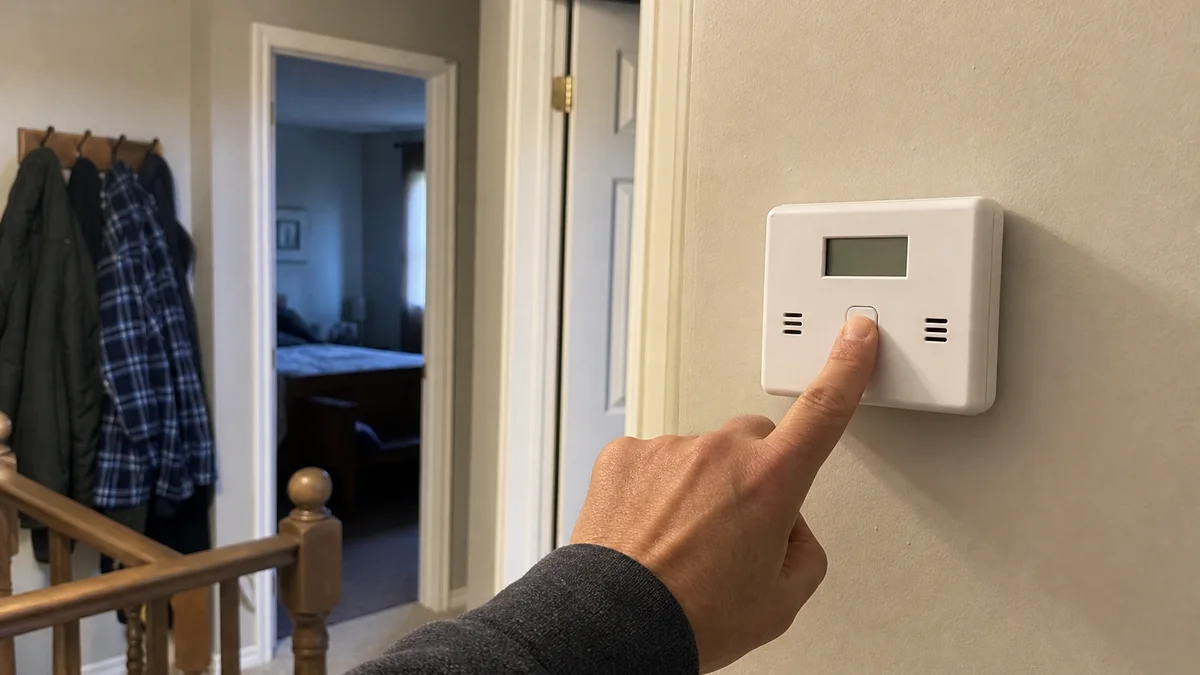
As of January 1, 2026, an Ontario home with a fuel-burning appliance, a fireplace, an attached garage or heated air supplied from an outside fuel-burning appliance must have a carbon monoxide alarm adjacent to each sleeping area and on every storey, including storeys without bedrooms. Alarms may be hardwired, battery-operated or plug-in models when installed according to the manufacturer's instructions and Ontario requirements. Homeowners are responsible in owner-occupied homes; landlords are responsible in rentals. For a ruling on a specific layout, contact the local fire department.
Which Ontario homes are covered
Ontario's current Fire Code carbon monoxide alarm requirements apply to existing homes when at least one specified condition is present: a fuel-burning appliance, a fireplace, an attached garage or, beginning January 1, 2026, heated air supplied by a fuel-burning appliance located outside the home, such as in a utility shed.
Natural gas furnaces, boilers, water heaters and fireplaces are fuel-burning appliances. Propane, oil and wood equipment can also bring a home within the rules. An attached garage is a separate qualifying condition because vehicle exhaust can introduce carbon monoxide even when the home has no gas appliance.
The rule is based on the conditions in the home, not whether an appliance is used every day. A gas fireplace that is left off for summer still counts as a fuel-burning appliance. For an unusual building layout, accessory space or shared system, ask the local fire department how the rule applies to that property. A website can explain the general rule, but the local authority must answer questions about a specific building.
After emergency crews say it is safe
Send the appliance or gas-line details for service
Do not use this form during an emergency. After emergency responders or the fuel supplier say it is safe to return, send the appliance or gas-line details, the symptom and any recent service history.
Where alarms are required after the 2026 change
The long-standing sleeping-area requirement remains: a carbon monoxide alarm must be installed adjacent to each sleeping area in a covered home. "Adjacent" is about placing the alarm near the sleeping area, not automatically inside every bedroom. Follow the Ontario guidance, manufacturer instructions and any direction from the local fire department for the actual layout.
The important 2026 expansion is coverage on every storey. Covered homes now need a carbon monoxide alarm on each storey, including a storey without a sleeping area. That means homeowners should review basements and upper levels rather than assuming the hallway outside the bedrooms is enough.
Count the home's real storeys and compare the result with the alarm locations. Split levels, additions and unusual stair arrangements can make the answer less obvious. Do not choose a location only because it is close to the furnace or fireplace. Alarm placement is governed by the Fire Code and the alarm manufacturer's instructions, which include mounting and environmental restrictions. For exact placement in a complex home, contact the fire department rather than improvising.
Choose, install and maintain the alarm correctly
Ontario's homeowner information allows hardwired, battery-operated and plug-in carbon monoxide alarms. The alarm must be an approved product, and installation must follow its instructions. A plug-in model is not automatically suitable for every required location, and a battery model is not maintenance-free. Choose a product whose listed installation method works in the intended space.
Test alarms as the manufacturer directs, keep vents free of paint and dust, and replace batteries and the complete alarm on the published schedule. Carbon monoxide sensors have a finite service life. Check the manufacture or replacement date and understand the difference between an emergency alarm pattern, a low-battery chirp and an end-of-life signal. The manual should explain each.
Do not disable an alarm because of nuisance chirping. Identify the signal, replace batteries or the unit when required, and seek emergency help when the alarm indicates carbon monoxide. Interconnected smoke and carbon monoxide products may add useful notification, but the system still has to meet the applicable placement and installation requirements.
Responsibility in owner-occupied and rental homes
In an owner-occupied home, the homeowner is responsible for installing and maintaining the required carbon monoxide alarms. In a rental property, the landlord is responsible. Tenants should not remove batteries or disable alarms, and they should promptly report a missing, damaged or chirping unit to the landlord.
Landlords should maintain a clear record of installation, testing, battery changes and replacement dates. Owners of multi-unit or mixed-use properties should ask how the rule applies to their exact building because shared equipment, common areas and building classification can affect the answer. The local fire department can answer questions about compliance and enforcement.
Platinum Gas services gas appliances and related fuel work; it does not replace the fire department's role in interpreting alarm placement. Keep those responsibilities distinct so the homeowner gets the right answer from the right authority.
What to do when an alarm sounds
Treat an activated carbon monoxide alarm as an emergency, not a troubleshooting prompt. Move everyone, including pets, into fresh air outside and call 911 or the fire department from outside. Follow emergency instructions and do not re-enter the building until responders say it is safe. Do not silence the alarm and remain inside to search for a source.
Carbon monoxide cannot be seen, smelled or tasted. Possible exposure symptoms can include headache, dizziness, weakness, nausea, vomiting, chest pain and confusion, but symptoms are not a reliable detector. People who are sleeping, infants, older adults and those with health conditions may be especially vulnerable. Seek medical attention as directed.
After emergency responders have cleared the property, the next step may include inspection of fuel-burning equipment, venting or other possible sources. Do not restart an appliance that has been identified as a concern until an appropriately qualified person has addressed it. An alarm provides warning; it does not identify which appliance or condition produced the carbon monoxide.
What to photograph before requesting service
Only take photos after the property has been declared safe. Images help document a gas-appliance service request, but they do not prove Fire Code compliance or replace the fire department's placement advice. Useful photos include:
- Each alarm in context, showing the nearby hallway, stair or sleeping area.
- The alarm label, model and replace-by or manufacture date without removing a hardwired unit.
- Any displayed carbon monoxide reading or status message after everyone is safely outside.
- The full gas appliance suspected of a problem, including its visible vent connection.
- The appliance model and serial plate only when it is safely owner-accessible.
- Visible soot, staining, damage or an error code without touching or restarting the appliance.
- The exterior vent termination from ground level.
Alarms and appliance service solve different problems
Carbon monoxide alarms are the warning layer. Correctly installed and maintained fuel-burning appliances, sound venting and professional service are prevention layers. One does not replace the other. A newly installed alarm does not make an unsafe appliance safe, and a recently serviced furnace or fireplace does not remove the alarm requirement.
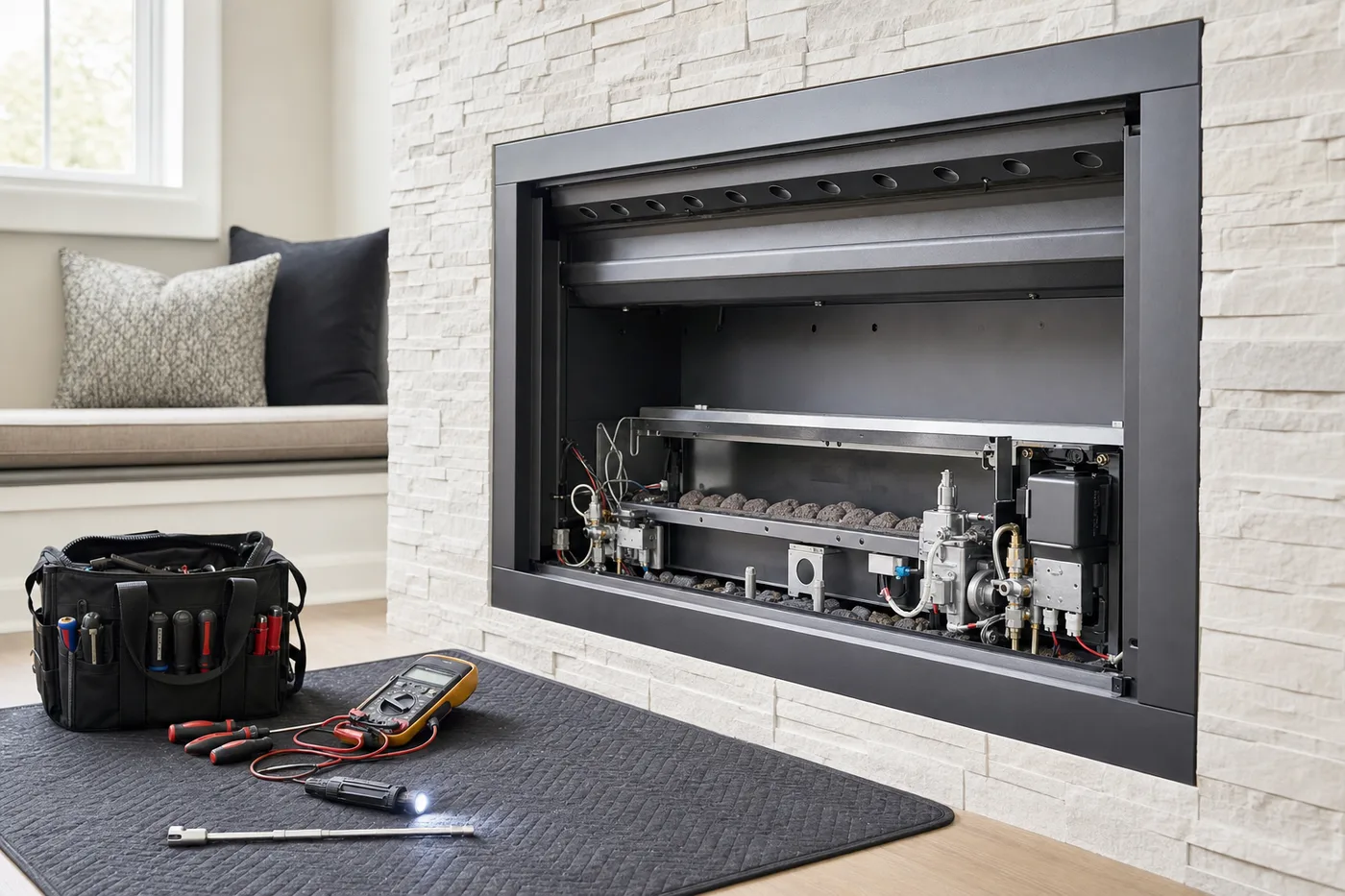
For a gas appliance that shows soot, abnormal flame, repeated shutdown, vent damage or another concern, leave it off and request service after any immediate emergency has been handled. Share the model, symptoms and safe photos. That keeps the alarm question, emergency response and appliance repair in the correct order.
Questions we hear
Frequently asked questions
Yes. Under the requirements effective January 1, 2026, a covered home with a fireplace or other qualifying condition needs a carbon monoxide alarm adjacent to each sleeping area and on every storey, including storeys without bedrooms.
Ontario permits hardwired, battery-operated and plug-in carbon monoxide alarms. Use an approved product and install, test and replace it according to the manufacturer's instructions and applicable Fire Code requirements.
The landlord is responsible for installing and maintaining required alarms in rental properties. Tenants should not disable alarms and should report missing, damaged or chirping units promptly.
Ask about your project
Tell us about the property and equipment
Send the service address, timing, appliance model and safe photos that show the work area.