
Outdoor Living
Natural-Gas BBQ Quick-Connect and Hose Checklist for Durham Backyards
Connecting a natural-gas BBQ? The barbecue, hose and quick-connect need to match, and the gas line needs to support the appliance. Here is what to check before the first cookout.
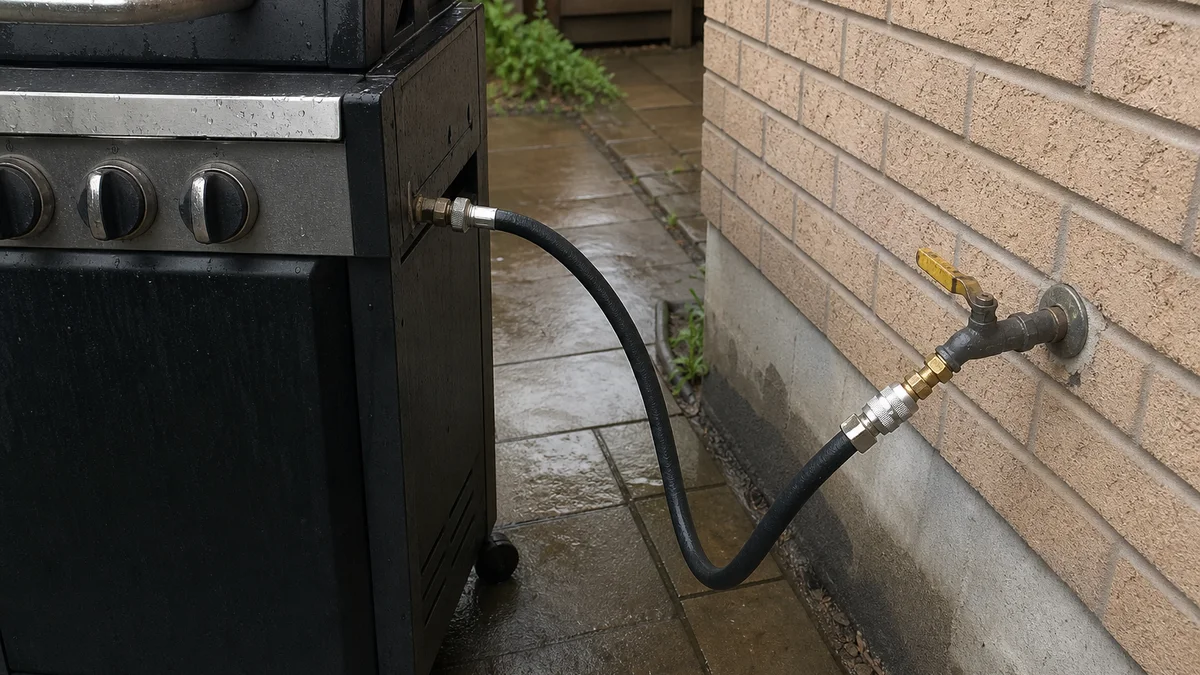
Safe checks
Start with what you can observe
Before using a natural-gas barbecue quick-connect, verify that the barbecue is the natural-gas version, the hose and connector are approved and compatible with that exact appliance and outlet, and the hose has no cracks, abrasion, heat damage, flattening or strained fittings. Keep the hose away from hot surfaces, sharp edges and walking paths. Never force a quick-connect, substitute a propane part, extend the hose with improvised fittings or use a connector that will not latch normally. If you smell gas, hear hissing, see bubbling during a manufacturer-directed leak check or find damage, shut the system down only if it is safe to do so, move away and arrange qualified service. For a suspected leak, leave and call 911 and Enbridge Gas from a safe place.
Confirm the barbecue and connection belong together
Natural-gas and propane barbecues can look nearly identical while using different components and operating conditions. Read the rating plate, model number and manual rather than relying on the colour of a knob or what a previous owner said. The appliance must be approved for natural gas, or have a manufacturer-approved conversion completed in the permitted manner. A generic conversion kit or swapped orifice is not a safe shortcut.
The hose and quick-disconnect also need to match the appliance and outlet. A fitting that appears to slide together may use a different size, connection standard or flow capacity. Use the manufacturer-specified certified hose assembly or a compatible assembly selected as part of a qualified installation. Do not add couplers to gain length, mix indoor appliance connectors with outdoor equipment or assume a long marketplace hose is suitable because its listing uses the word “gas.”
Look over the BBQ hose before the first cookout
Health Canada advises checking barbecues that have sat through winter for blocked burner tubes and damaged or leaking fittings and hoses. Before touching the connection, look over the full hose in good daylight. Check for cracks, cuts, brittleness, blistering, flattened sections, exposed reinforcement, melted areas, corrosion at fittings and signs that animals or storage items damaged it. Replace a cracked or damaged hose even when no leak is visible.
Look at the quick-connect and outlet without taking them apart. The protective cap, sleeve and visible surfaces should not be broken, packed with dirt or painted over. The shutoff needs to remain accessible. If the sleeve sticks, the plug will not seat with normal operation, or the hose pulls tight before the barbecue reaches its safe location, stop. Forcing or “making it work” can damage the connection and hide the reason it does not fit.
At the barbecue, check that the hose is not routed through the cabinet in a way that pinches it or brings it near hot components. Clean burner areas only as the manufacturer directs. Insect nests and debris can affect burner performance; do not compensate for poor flame by modifying air shutters, jets or gas controls without qualified diagnosis.
- Readable natural-gas rating plate and exact model.
- No cracking, abrasion, melting, flattening or damaged fittings.
- Connector operates normally without force or improvised adapters.
- Shutoff remains visible and accessible.
- Hose reaches the approved barbecue location without tension.
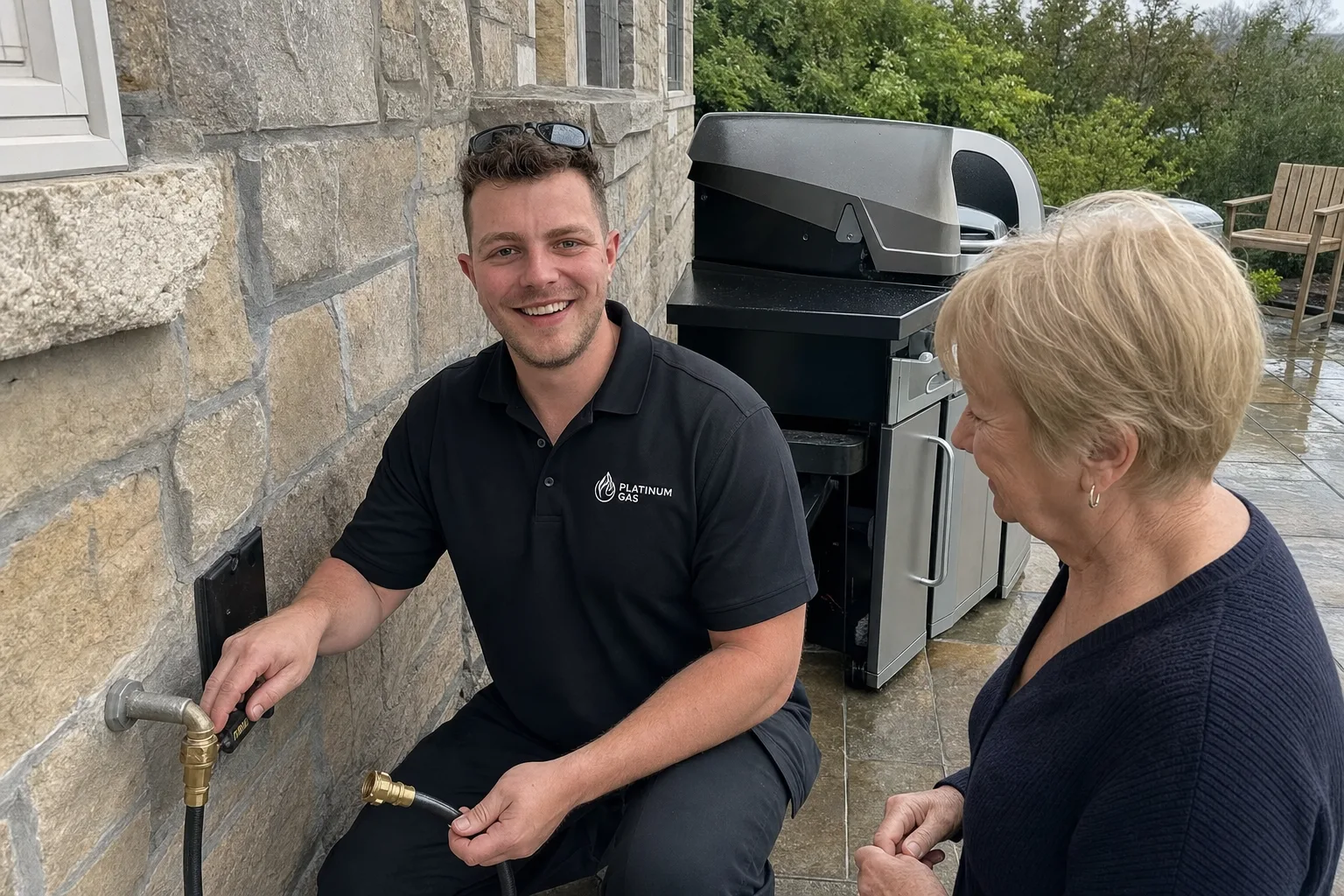
Protect the hose in the way the patio is actually used
A hose that is technically long enough can still be poorly routed. Keep it outside the barbecue's hot zones and away from sharp metal, door hinges, wheels and edges that can rub as the grill moves. It should not cross the main route from the back door to the table, sit where a chair leg can crush it or disappear under a mat. Do not coil excess hose against the firebox or tuck it into a cabinet unless the manufacturer specifically provides that route.
Durham backyards change through the season. Patio furniture gets rearranged, planters grow, pool equipment appears and the barbecue may be rolled aside for a party. Recheck the hose after the barbecue has moved, after construction and after severe weather. A deck replacement or new outdoor kitchen can alter both the connection and the clearances around the appliance.
Need help with a problem?
Tell us what is happening
Note what you can see, hear or read from the normal controls. Do not remove panels, alter gas fittings or perform regulated tests yourself.
Know the warning signs that end the cookout
Stop and move away if you smell the added rotten-egg or sulphur odour, hear unexplained hissing, see a damaged connection or suspect gas is escaping. Do not keep trying the igniter, use a phone beside the barbecue, switch outdoor lights or start a nearby vehicle. From a safe location, call 911 and Enbridge Gas. Do not return until the area has been cleared.
Health Canada describes a soapy-water check for damaged or leaking barbecue fittings and hoses, with bubbles indicating a leak and professional service required. That is not an invitation to dismantle components or create a homemade pressure test. Follow the exact barbecue instructions; if the procedure, shutoff or connection is unclear, leave the appliance off and ask a qualified gas technician.
What to photograph before requesting service
Photograph the full barbecue in its normal operating location, then take one wide view showing the house, deck or patio, doors, windows, overhead cover and walking route. Add clear close-ups of the barbecue rating plate, the entire hose laid in its normal path, both end fittings, the quick-connect outlet and shutoff. Do not disconnect a questionable hose solely to improve the photograph.
Include the natural-gas meter and accessible utility context, plus a list of other gas appliances such as the furnace, water heater, fireplace, range or pool heater. If the request involves moving the barbecue, show both the present and proposed locations. Mention whether new concrete, decking, fencing or cabinetry is planned and when those trades are scheduled.
Do not photograph an active suspected leak at close range. Safety comes first: leave the area and make the emergency calls. The photo list is for normal planning or a system that has already been left safely off.
- Full barbecue and wide patio context.
- Rating plate, model and fuel designation.
- Complete hose route and both fittings.
- Quick-connect outlet and accessible shutoff.
- Current gas appliances and proposed future additions.
Replacing or moving your BBQ
When replacing a barbecue, select the exact natural-gas model before assuming the existing hose or outlet can be reused. Compare the manufacturer instructions, required hose assembly, appliance input, approved placement and clearance information. The technician can then assess the outlet, line, shutoff and total system rather than connecting a box that arrived without verified site fit.
For relocation, start with the finished backyard plan. The gas route should serve a compliant appliance location without creating a trip hazard or being buried behind inaccessible finishes. Excavation may require Ontario One Call and separate attention to privately owned lines. Plan the gas installation before the patio or walkway is built, but do not let a landscaper place an unreviewed conduit or line and assume it can later become a fuel route.
At handoff, ask for the normal connection, lighting and shutdown routine to be demonstrated for the exact barbecue. Retain the manual and the hose information. A quick-connect should make approved seasonal use convenient; it should not turn fuel compatibility, condition checks and safe placement into assumptions.
Questions we hear
Frequently asked questions
Do not assume so. The new appliance instructions, connector compatibility, hose condition, length and capacity all matter. Have the exact model and existing connection reviewed before reuse.
Possible causes include an incompatible plug, closed or mispositioned components, debris, damage or wear. Do not force it or add an adapter. Leave it off and have the connection identified.
A hose should be protected from heat, abrasion, crushing, sharp edges and trip traffic. Follow the manufacturer's routing requirements and request a better permanent outlet location when the normal path cannot be kept clear.
References
Sources and further reading
Ask about your project
Tell us about the property and equipment
Send the service address, timing, appliance model and safe photos that show the work area.