
Gas Safety and Planning
How to Verify an Ontario Fuels Contractor and Gas Technician Credentials
For gas work in Ontario, check two things: the business must be registered for fuels work, and the technician must be qualified for the job.
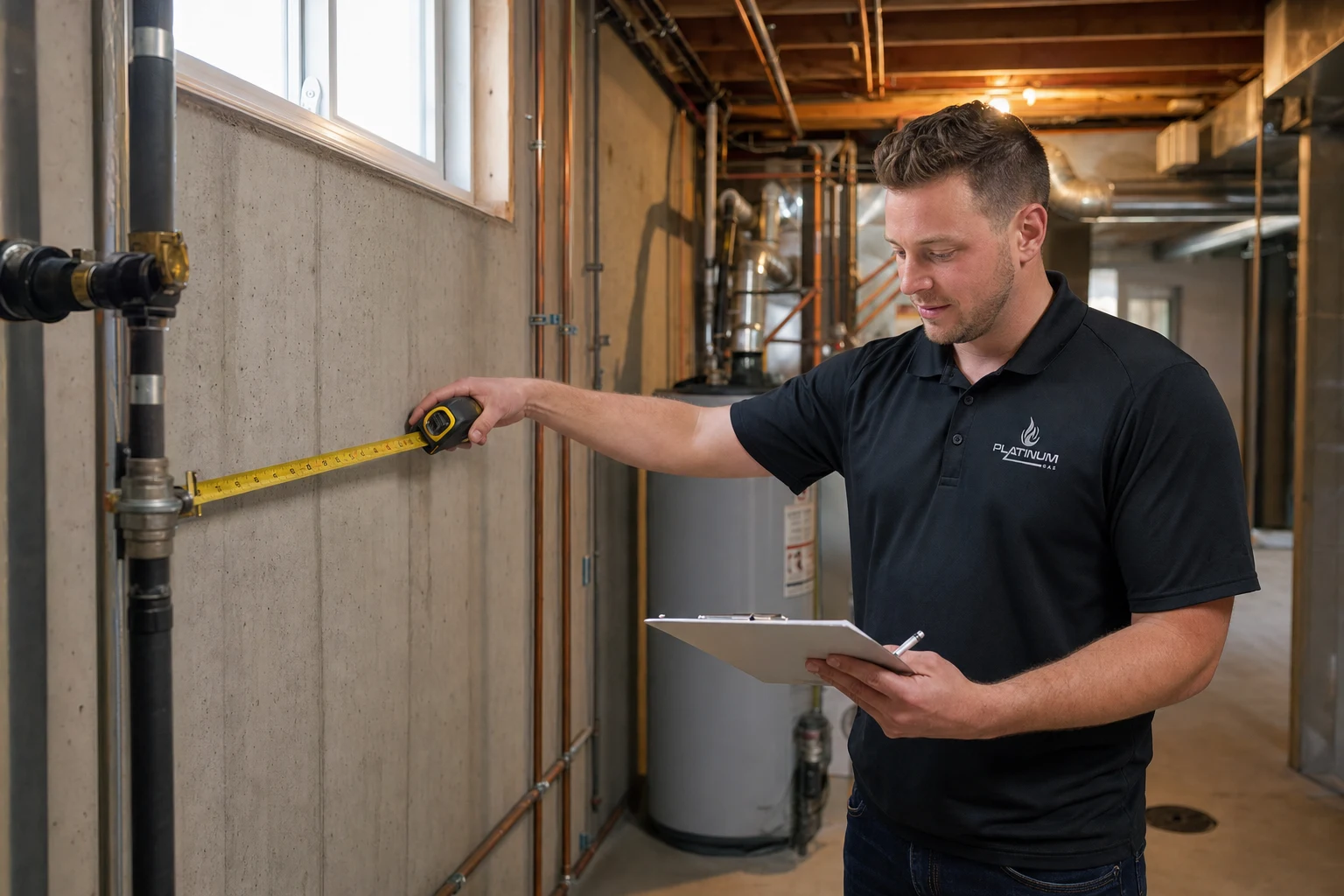
Safe checks
Start with what you can observe
Before regulated gas work, search the business in TSSA's public fuels-contractor directory and confirm that the legal or operating name, location and registration shown match the quote. Ask which certified technician will attend and whether that certificate category covers the planned work. Keep the written scope, equipment details, invoice and commissioning records. Do not rely on a logo, verbal claim or the phrase "TSSA certified contractor" without checking the current public record.
Understand contractor registration and technician certification
TSSA registers fuels-contractor businesses and certifies individuals in defined categories. Those are not interchangeable ideas. The company contracting for regulated work should appear in the contractor directory, while the technician performing tasks needs the certificate scope appropriate to those tasks. A business name on a truck does not by itself prove current registration.
Use precise language when asking. Request the registered business name and identify who will perform the regulated work. Avoid treating "licensed," "certified" and "registered" as synonyms. The public registry and certificate information provide a more reliable starting point than marketing copy.
- Business: current TSSA fuels-contractor registration.
- Individual: current certificate category and scope.
- Quote: same business identity as the public record.
- Project: work assigned within applicable qualifications.
Search the public directory carefully
Use TSSA's Authorized Heating Fuel Contractors search rather than a general web result. Try the legal company name and known operating name, and compare the listed municipality or address context with the quote. Similar names can exist. Record the date you checked because public status can change.
If the name does not appear or details conflict, pause and ask the contractor to clarify the registered entity. Do not infer registration from an old social post, certificate image or supplier relationship. Contact TSSA using its official channels when the directory does not resolve the question.

Ask about the technician assigned to the work
Ontario certificate categories have different scopes and conditions. A broad claim that someone "has a gas ticket" is not enough to evaluate a project. Ask who will attend, what work is planned and how the company ensures the technician is qualified and supervised as required for that scope.
The homeowner does not need to interpret every technical rule. The useful hiring signal is a clear, professional answer tied to the actual work, with no pressure to ignore registration or qualification questions. For complex projects, ask how related electrical, excavation, chimney or pool work is coordinated with other qualified trades.
- Name the regulated tasks in the scope.
- Ask which technician category covers them.
- Clarify supervision and trade coordination.
- Do not accept borrowed or unrelated credentials.
Before you choose a contractor
Know who you are hiring and what is included
Check the business registration, technician qualifications and insurance. Ask for a written quote that explains the work, what costs extra, and how the finished installation will be tested and shown to you.
Check what the quote includes
Registration is essential, but it does not tell you whether a quote is complete. The quote should name the appliance and fuel, explain the planned route, gas work and equipment, and include startup checks and a walkthrough. It should also state who handles any required permits or inspections, related building or electrical work, and anything not included.
Watch for a quote that depends on unverified existing capacity, proposes concealing work before testing, omits the exact appliance, or shifts critical safety decisions to the homeowner. Ask how changes are documented. A strong contractor can explain what is known, what must be assessed on site and which conditions could change the price.
Keep completion records
Keep the quote, approved changes, appliance manual, model and serial number, invoices and any startup or test records provided. Note where the shutoffs are. Record the contractor business identity shown on the final invoice. These materials help with warranty, future service and property records.
Do not rely on a text-message thread as the only project record. If another trade closes a wall or completes finishes, preserve photographs and any required sign-offs before access disappears. Records do not replace safe, compliant work, but they help you understand what was done and plan future service.
- Accepted scope and changes.
- Business identity and dated invoice.
- Model, serial, manual and warranty information.
- Commissioning, testing or inspection records provided.
Use a repeatable hiring check
First, define the project and exact property. Second, verify the business in the current TSSA directory. Third, ask how technician qualifications match the work. Fourth, compare a written quote that explains what is included, what is not and any work needed from others. Fifth, preserve final records. Repeat the directory check if substantial time passes before work begins.
This process works for fireplace, gas-line, pool-heater, barbecue and gas-appliance projects without turning the homeowner into a regulator. It also creates a fair comparison between contractors: each bidder is responding to the same project facts, and claims can be checked against the same official source.
Questions we hear
Frequently asked questions
The precise distinction is a TSSA-registered fuels contractor business and technicians who hold the appropriate TSSA certificate. Verify both layers as they apply to the planned work.
Use TSSA's official Authorized Heating Fuel Contractors directory. Match the business identity and location details to the quote, and contact TSSA if the listing is unclear.
No. Registration is a necessary credential check, while the written scope, equipment, site assumptions, trade boundaries, documentation and communication still need evaluation.
No. Registration status and details should be verified against the current official record before being represented as current. Preserve the date of the check.
References
Sources and further reading
Ask about your project
Tell us about the property and equipment
Send the service address, timing, appliance model and safe photos that show the work area.