
Gas Safety and Planning
Adding a Gas Appliance: Whole-Home Load and Installation Checklist
Planning a new gas appliance? Share the model and delivery plans early so the gas supply, connection and any other work are ready.
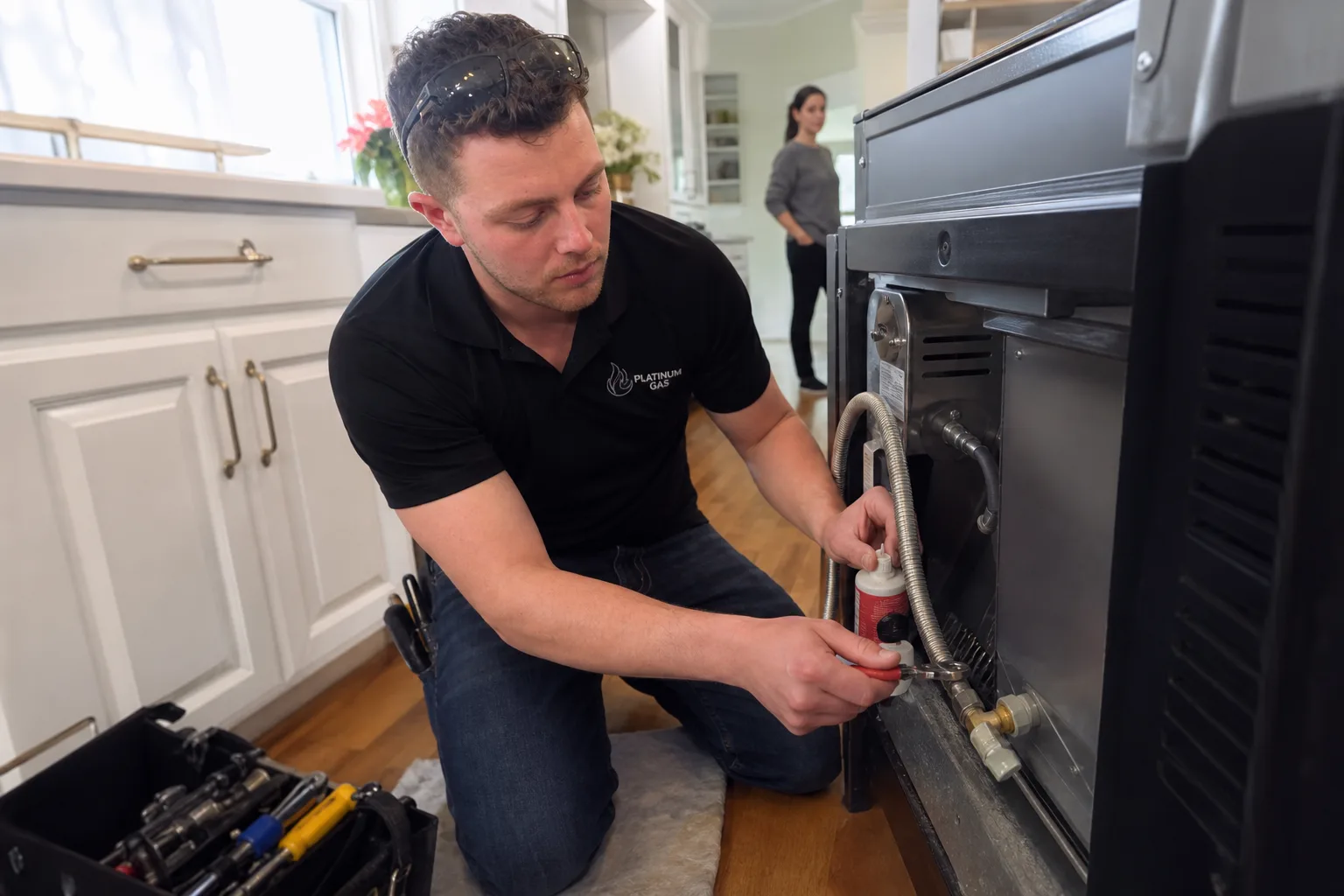
Safe checks
Start with what you can observe
Before a gas appliance is installed, confirm the exact model and fuel, the property supply, total connected appliance demand, a compliant route and shutoff location, ventilation or venting requirements, electrical needs, access and the responsibilities of every trade. In Ontario, the gas portion belongs to a TSSA-registered fuels contractor using appropriately certified technicians. A nearby pipe or existing connector does not prove that a new range, dryer, barbecue or fireplace can be connected safely.
Start with the appliance and where you want it
Model information is the most useful first input. A photo from a showroom or a generic description such as “gas stove” does not establish fuel type, input, connection position, electrical demand, ventilation, clearances or the manufacturer’s approved conversion options. Share the full model number, current manual and specification sheet before cabinets, counters, flooring or outdoor finishes make access difficult. If the appliance is used, also identify its history and whether the rating plate is readable; suitability still requires an on-site review.
State what is changing. Replacing like-for-like equipment can still expose differences in demand, connector location or venting. Switching from electric to gas may need a new gas line and work by other contractors. Moving an appliance changes route and restoration. A natural-gas-to-propane conversion is only possible when the manufacturer approves it for that exact model and the correct conversion provisions are available. The installation needs to follow the appliance instructions, not rely on parts that happen to fit.
- Exact manufacturer, model and intended fuel.
- New installation, replacement, relocation or approved conversion.
- All existing and planned gas appliances at the property.
- Delivery date, renovation stage and other trades involved.
- Photos of the appliance location and accessible utility areas.
Check the gas supply for all your appliances
A capped outlet behind an old range or a gas line near a patio is not automatic approval for a new appliance. The technician considers the supply, connected loads, appliance demand, line material and condition, route and the applicable installation requirements. A later pool heater, fireplace or outdoor kitchen can materially affect the plan, so mention future work while the route is still open. Planning once can avoid treating each appliance as if it were the only load on the system.
Homeowners do not need to calculate pipe sizes. Share a list of your appliances and keep the planned route accessible until the gas work is confirmed. Use the plan the gas supply for a new appliance path when added demand or a new route is part of the project. In a Bowmanville renovation, that can mean reviewing a range and fireplace together before drywall closes; for a Courtice patio, it can mean coordinating the barbecue and fire table before concrete is placed. Include the address, gas or propane supplier and any meter or tank details you have. The contractor will check whether the supply is suitable.
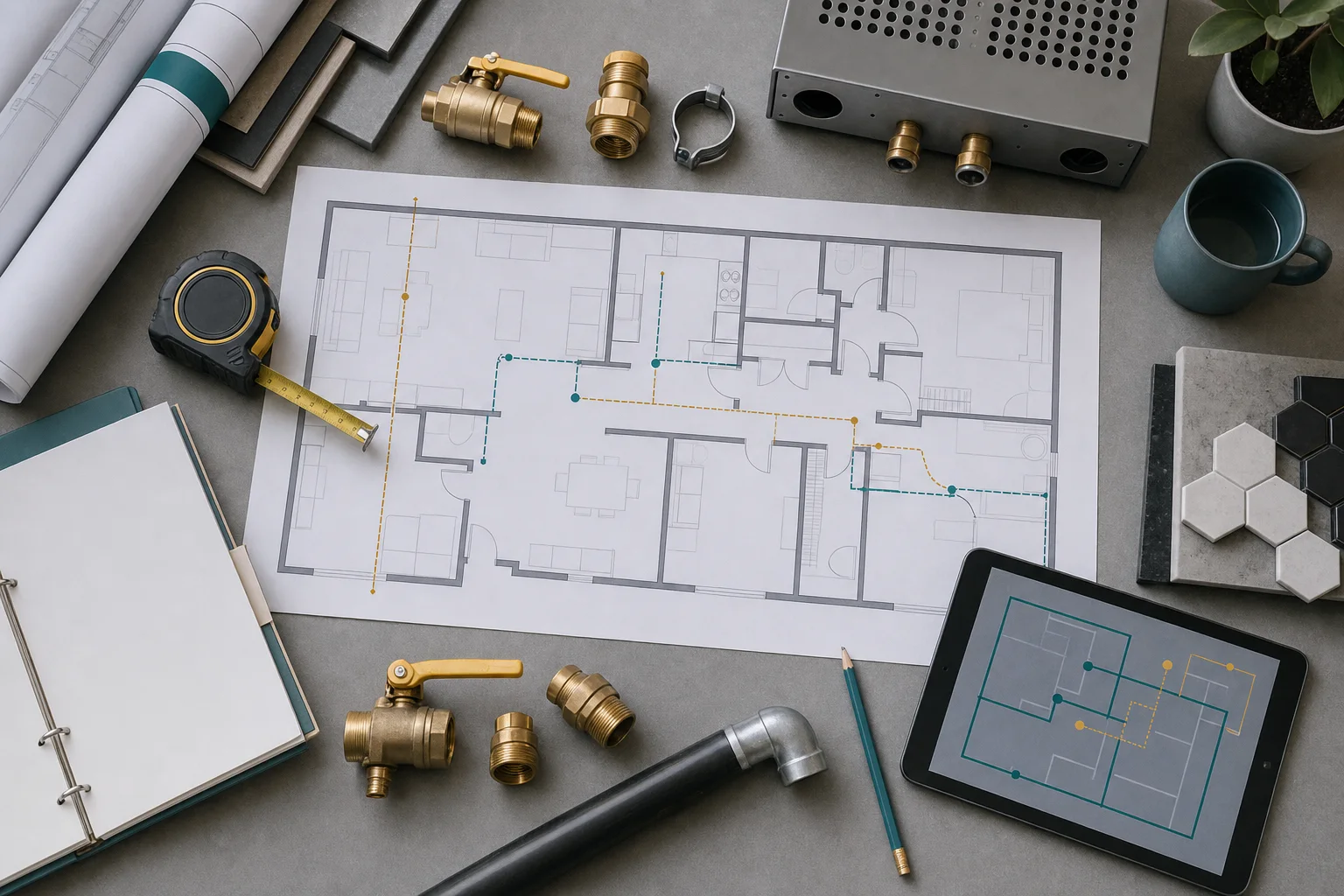
Each appliance adds its own installation conditions
A range project can involve cabinetry clearances, an anti-tip provision, a suitable electrical receptacle and an independent ventilation decision. A dryer adds manufacturer-specified exhaust routing and laundry-space access. A permanent barbecue belongs outdoors and needs an approved appliance, suitable placement and a connection that remains protected and serviceable. A fireplace combines gas work with an appliance-specific vent system, enclosure, clearances, heat management, electrical controls and finish coordination.
Those differences are why one generic “gas hookup” price or appointment description is rarely reliable. Your quote should explain what Platinum Gas supplies, what other contractors need to do, whether old-appliance removal is included and whether walls or finishes need to be opened and repaired. Mechanical ventilation, electrical work, cabinetry, masonry and finish carpentry should be assigned rather than left between contractors. The manufacturer’s current Canadian instructions remain central to every appliance-specific decision.
Before you request installation
Tell us about your installation plans
Tell us what you'd like installed, where it will go and your ideal timing. Add a model or photo if you have one. Leave gas connections and venting to a qualified installer.
Prepare the site without altering the fuel system
Before the visit, clear a safe working route, keep children and pets away, confirm parking and building access, and make the appliance information available. Photograph concealed routes before they are covered, but do not open gas piping, remove caps, reuse old flexible connectors, enlarge cabinet openings around live services or attempt a conversion. If delivery crews are involved, confirm whether they only place the appliance or whether they expect a gas technician to disconnect and reconnect it.
For renovations, leave the relevant wall, ceiling, crawlspace or utility route accessible until it has been assessed. For outdoor work, establish the appliance location and finished grade before hardscape locks in the layout. Excavation planning may require Ontario One Call and attention to private services that public locates do not mark. Early coordination gives the technician options; a fully finished room or patio can reduce them to costly compromises.
What to expect at installation and the walkthrough
The on-site process starts by verifying the requested work against the actual appliance and property. The technician explains the gas work, protects the work area, installs the connection or line, completes the required tests and checks the appliance following the manufacturer’s instructions. Unexpected problems may change the work or cost: an unsuitable line, inaccessible shutoff, incorrect fuel version, damaged equipment or unfinished work by another trade should be resolved rather than concealed.
After the walkthrough, keep the manual, model and serial number, invoice and any installation records provided. Ask which controls were demonstrated, which functions depend on household power, what routine owner care the manual allows, and what symptoms require service. Confirm that access to the shutoff, rating plate and service areas will remain available after cabinetry or finishes are completed. Ask your questions before the technician leaves so you know how to use and care for the appliance.
Know what your installation quote includes
A useful quote names the appliance and fuel, explains the gas-line or connection work and access needed, and lists any removal or repair of finishes. It should also explain what electricians, ventilation contractors, cabinet installers or other contractors need to do. It should also explain what happens if the existing system does not match the information available before the visit. Two quotes can include very different work, even when the total looks similar.
Send Platinum Gas the address, municipality, exact appliance information, project stage, timing and photographs through the quote form. We can then help with the next steps and let you know whether a visit is needed. Homeowners in Bowmanville and surrounding Clarington communities can use the same preparation process for a single replacement or a larger renovation involving several fuel-burning features.
Questions we hear
Frequently asked questions
Delivery and regulated gas work are separate responsibilities. Confirm in advance who is qualified and contracted to disconnect, connect and test the appliance. Do not assume a delivery service includes Ontario fuels work.
No. Location alone does not establish capacity, condition, material, shutoff access or compatibility with the new appliance. The complete system and exact appliance demand need review.
The exact model information is needed, but ordering before the site and fuel conditions are checked can create risk. Share the manual and model details early, then arrange delivery once the contractor has checked the fit and explained the work.
Provide the address, appliance model, fuel, current and future gas appliances, project type, renovation stage, access photos and the roles of any other contractors.
References
Sources and further reading
Ask about your project
Tell us about the property and equipment
Send the service address, timing, appliance model and safe photos that show the work area.