
Fireplace Guides
Chimney Sweeping or Gas Fireplace Service: Which Do You Need?
A brick chimney does not tell you everything about the fireplace below it. Identify what is installed before booking the work.
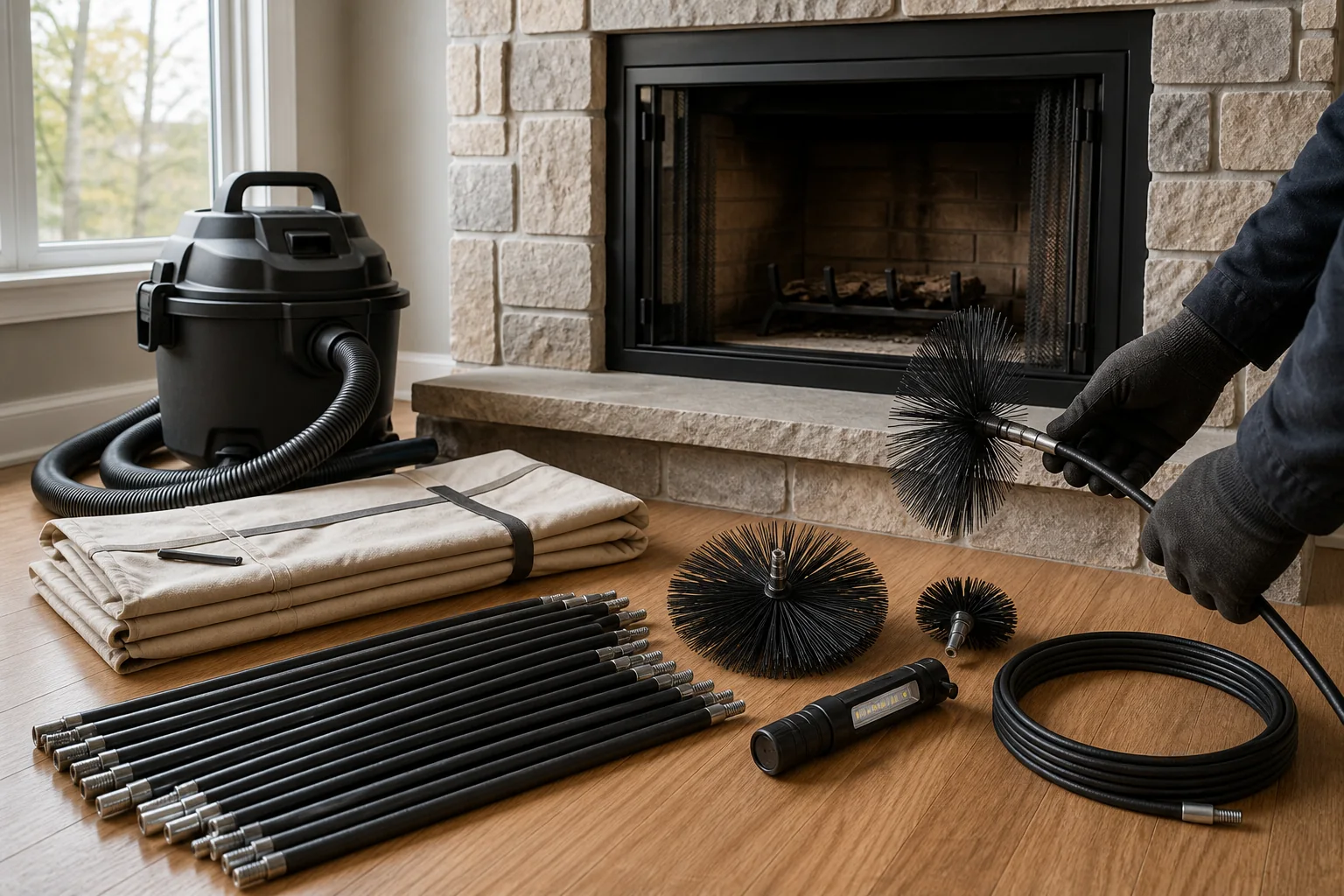
Before you compare
Start with the property and equipment
A wood-burning masonry fireplace may need chimney sweeping; a gas fireplace or gas insert needs service appropriate to that appliance and its venting. A gas insert inside an old masonry opening does not turn gas-appliance maintenance into a standard wood-chimney sweep. Send a photo of the whole fireplace, the fuel type and any model information so the right scope can be confirmed.
Identify the appliance, not just the surround
The same style of brick or stone surround can contain very different equipment. One opening may still burn wood. Another may hold a gas insert installed years after the chimney was built. A third fireplace may be a purpose-built gas appliance with its own vent route. Booking by the appearance of the mantel can send the conversation in the wrong direction.
Start with what you know: what fuel is used, whether the fire sits behind fixed glass and whether there is a model name in the paperwork. A wide photograph is helpful. You do not need to remove trim, glass or panels to improve the picture.
If you have recently moved into a Courtice or Bowmanville home, say that the history is unknown. "There is a fireplace, but we have not used it" is a useful starting point. It is better than lighting it to discover what kind of appointment to request.
When chimney sweeping is the relevant service
For a wood-burning masonry fireplace, the chimney is part of the system that needs attention. Clarington's January 2020 fireplace-safety notice recommends yearly chimney inspection and explains that combustion deposits can accumulate in the flue. That remains useful background, not a report of a new local incident.
Our chimney-sweeping page is the place to start when that describes your fireplace. Share when it was last used, whether sweeping or other work is documented and whether you have noticed a change. If the opening has been covered or a room has been renovated around it, include that detail.
Be specific about the requested work. Sweeping, investigating a water problem, repairing masonry and providing a report for a particular purpose are not interchangeable descriptions. Ask whether your request falls within the proposed appointment before making plans around it. An old invoice labelled "chimney service" may not establish what was actually done.
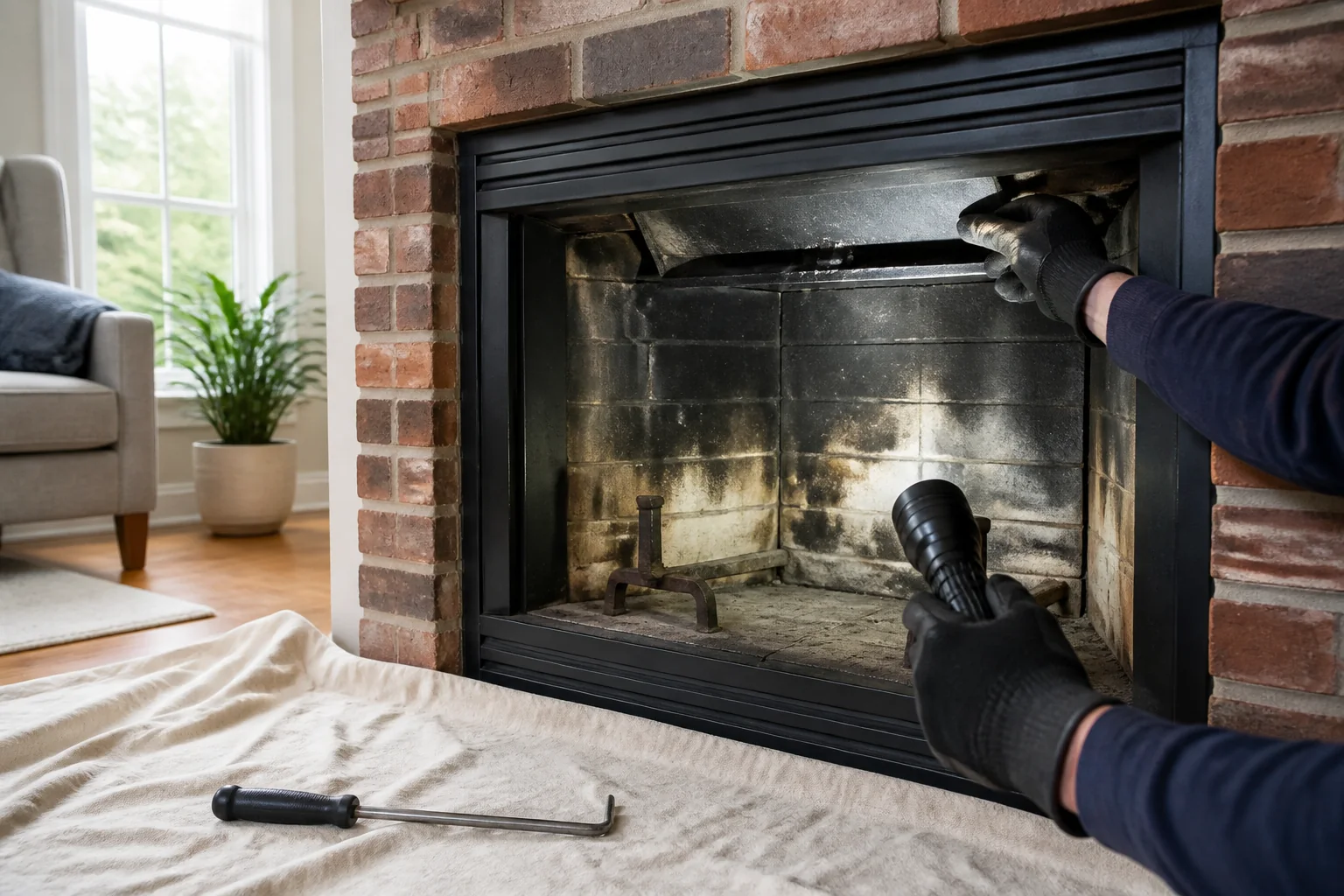
When the work belongs with a gas fireplace technician
A gas fireplace has appliance-specific service needs. A remote problem, repeated shutdown or damaged glass should be described as a gas-fireplace concern, even if the unit sits in a traditional hearth. TSSA's general guidance calls for annual inspection of fuel-burning appliances through a registered fuels contractor; the appropriate work also depends on the installed model.
Use gas fireplace repair and maintenance for that conversation. Give the make and model from existing records when possible, and explain whether the issue involves starting, normal operation or a visible condition. Do not call it a chimney blockage unless that has been established.
A standard sweeping request should not stand in for diagnosis of gas controls or appliance venting. Conversely, a working remote does not tell you anything about the condition of an old masonry chimney. Separating the two helps define the visit without ordering work that may not address your concern.
Chimney sweeping
Start with a photo of your fireplace
Tell us the fuel type, your location and what you need checked. We can confirm whether chimney sweeping is the right appointment.
Treat an insert as a complete installation
A gas insert combines an appliance with installation details that may not be visible from the room. The original masonry opening is only part of that picture. If your documents show an insert installation or conversion, keep them with any later service records rather than treating the chimney and appliance as unrelated items.
Tell the contractor about previous changes to the surround, hearth, chimney or roof. You do not need to decide whether they matter technically; providing the sequence allows the right questions to be asked. A photo from before a renovation can be useful when it explains what has changed, but it is not a substitute for examining present conditions.
If your real goal is to stop burning wood and choose gas, that is a planning conversation rather than a cleaning appointment. See fireplace inserts and conversions for the installation route. Confirm the intended use before booking a visit around the existing setup.
Ask what the appointment will and will not establish
Write down the result you need. Is it routine sweeping before using a wood fireplace, investigation of a specific concern, or documentation requested by an insurer? Those requests can require different scopes. Do not assume that any visit produces an insurance report, a structural assessment or a particular certification.
Ask who will provide the work, what access is needed and how findings will be recorded. If the job may involve another specialist, establish who coordinates that part. This is especially useful when a homeowner, property manager and renovation contractor are all involved, because each person may mean something different by "have the chimney checked."
For homes in Clarington, include the actual community and address with the request. A ground-level exterior photo can show the chimney location and access context without asking anyone to climb onto a roof. Mention any existing access restrictions before the appointment is arranged.
Prepare the information, then leave the equipment alone
Put the model details, previous invoices and a short description of the concern in one message. Photograph the room from far enough back to show furniture and the hearth. If there are several fireplaces, identify which one you are asking about so records from another appliance are not mixed into the request.
Keep the route to the fireplace clear and ask how long the appliance should remain unused before the visit. Leave glass, vent components, chimney caps and gas connections in place. There is no benefit to taking things apart so the appointment looks more prepared.
Finally, ask for the next step in writing when a condition needs further work. Keep sweeping records separate from gas-appliance repair records but store them together for the property. Knowing which system was serviced, on what date and for what reason is far more useful next autumn than remembering only that somebody came to look at the fireplace.
Questions we hear
Frequently asked questions
No. The appliance and its installation need to be understood together. Give the contractor the insert model and any installation records, and ask what assessment is appropriate rather than assuming a standard sweep covers everything.
Do not assume that it will. Share the exact report or qualification your insurer requests and confirm the scope before booking. Cleaning and a report for a specific purpose are different requests.
Send a wide photo and any paperwork you have. Leave it unused until the type and condition are established; do not dismantle or light an unfamiliar fireplace to identify it.
References
Sources and further reading
Ask about your project
Tell us about the property and equipment
Send the service address, timing, appliance model and safe photos that show the work area.