
A pool that looks perfect in spring but feels too cold to use is a frustrating investment. When homeowners start weighing pool heater gas vs electric options, the right answer usually comes down to how you use your pool, how quickly you want heat, and what kind of long-term operating experience you expect.
For some properties, a gas heater is the clear fit because it delivers fast, dependable heat on demand. For others, an electric heater makes more sense because it can maintain temperature efficiently under the right conditions. The best choice is rarely about which technology sounds better on paper. It is about which one matches your property, your climate, and your expectations for comfort.
Pool heater gas vs electric: the real difference
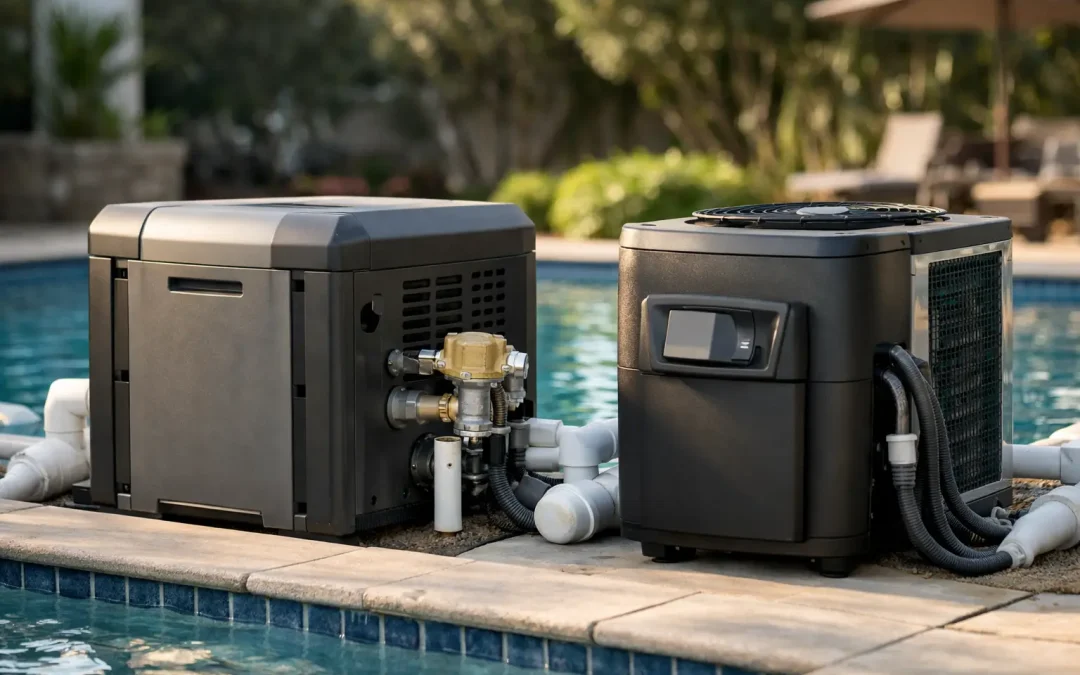
The biggest difference is simple. Gas pool heaters create heat by burning natural gas or propane, while electric pool heaters usually work as heat pumps that pull warmth from the surrounding air and transfer it to the water.
That distinction affects almost everything else. Gas heaters are known for speed. If you want to raise the water temperature quickly for a weekend gathering or a last-minute swim, gas is hard to beat. Electric heat pumps are slower, but they can be very efficient when outdoor temperatures stay warm enough for them to perform well.
This is why homeowners sometimes get conflicting advice. One person loves their electric heater because it keeps a pool comfortable all season with manageable operating costs. Another prefers gas because waiting days for the water to warm up simply does not fit their lifestyle. Both can be right.
When gas pool heaters make more sense
Gas pool heaters are often the better choice for homeowners who want control, speed, and flexibility. If you use your pool occasionally rather than every single day, a gas heater lets you heat the water when you need it instead of maintaining a temperature continuously.
That matters more than many buyers expect. A family that swims mostly on weekends, hosts evening get-togethers, or wants to extend the season into cooler months usually values fast recovery time. Gas heaters excel here. They are especially effective when air temperatures drop, because their performance does not depend on warm outdoor air the way a heat pump does.
For larger pools and spas, gas can also be the more practical answer. Heating a spa quickly for the evening or raising a large pool several degrees in a short window is exactly where gas equipment shows its strength. It delivers a premium comfort experience – reliable heat when you want it, without the long wait.
This is also where professional installation matters. A gas pool heater is not a plug-and-play appliance. It requires proper gas line sizing, safe venting clearances where applicable, code-compliant connections, and careful attention to equipment placement. A customized installation protects performance and safety at the same time.
When electric pool heaters are a better fit
Electric heat pumps can be an excellent option for homeowners who keep their pool at a steady temperature and live in a climate with consistently warm air during swim season. Because they transfer heat rather than create it through combustion, they can be more efficient in the right environment.
The trade-off is speed. If the pool has cooled down significantly, an electric heater will usually take longer to bring it back up. For households that swim often and prefer to maintain a stable temperature all season, that may not be a problem. For households that want a quick boost on demand, it often is.
Electric units can also appeal to homeowners who do not have natural gas service available and do not want to install propane storage. In those cases, an electric solution may feel more straightforward. Still, the electrical requirements are substantial enough that this decision should never be made casually. Load capacity, panel space, and site conditions all deserve an expert review.
Installation cost vs operating cost
This is where the conversation gets more nuanced. Many homeowners ask which option is cheaper, but there is no single answer without looking at usage patterns.
Gas heaters may have lower equipment costs in some cases, but the installation can become more involved if a new gas line, propane setup, or upgraded service is needed. Electric heat pumps can also carry significant upfront costs, especially when electrical upgrades are required.
Operating cost depends on how and when you heat the pool. Gas tends to cost more to run if you are maintaining pool temperature continuously over long periods. Electric heat pumps can be more economical for steady heating in warm weather. On the other hand, if you only heat the pool occasionally and need results quickly, gas may be the more sensible value because you are paying for performance that aligns with how you actually use the pool.
That is why a low monthly estimate does not always equal the better choice. A heater that saves money but does not deliver the comfort or responsiveness you want can feel like the wrong investment very quickly.
Climate matters more than brochures suggest
Any honest pool heater gas vs electric comparison has to include climate. Heat pumps perform best when the outside air is warm enough to supply usable heat. In cooler mornings, shoulder seasons, or unpredictable weather, efficiency can drop and heating times can stretch.
Gas heaters are much less sensitive to those conditions. If your goal is to open earlier in the season, swim later into the fall, or enjoy dependable heat regardless of a cool stretch, gas gives you stronger performance consistency.
That is often why premium outdoor living projects lean toward gas systems. They support a lifestyle centered on convenience. You decide when the pool or spa should be ready, and the heater responds accordingly.
Maintenance and service expectations
Both systems require professional care, but their service profiles differ.
Gas heaters involve burners, ignition components, heat exchangers, gas pressure considerations, and venting or combustion-related factors depending on the model and setup. They benefit from regular inspection and maintenance by qualified technicians who understand fuel systems and safe operation. When installed and serviced properly, they offer excellent reliability.
Electric heat pumps have compressors, fans, coils, and refrigerant-based components. They also need routine maintenance, especially to keep airflow and heat transfer working efficiently. They are not maintenance-free, even if some homeowners assume they are the simpler choice.
The smarter question is not which system avoids maintenance altogether. It is which system you can support properly over time with expert service and a clear understanding of what your equipment needs.
Which heater is better for your pool use?
If you want the shortest version, here it is. Gas is usually better for fast heating, cooler weather, spas, and intermittent use. Electric is usually better for maintaining a consistent pool temperature in warm conditions with frequent use.
But most homeowners are not making a generic decision. They are deciding for a specific backyard, a specific swim season, and a specific standard of comfort. If you have invested in a beautiful pool area, the heating system should match that experience. You should not have to plan days ahead for warm water if what you really want is flexibility.
For homeowners who prioritize dependable performance, custom installation, and a polished outdoor living experience, gas often stands out as the stronger long-term fit. That is especially true when natural gas or propane can be integrated professionally and safely as part of a broader property heating plan.
At Platinum Gas, this is where a bespoke approach matters. The right recommendation should account for pool size, heater location, fuel availability, usage patterns, and code-compliant installation details – not just the sticker price of the unit.
How to make the right choice
Start with a few practical questions. Do you want to heat the pool quickly or keep it warm all season? Are you mainly heating a pool, a spa, or both? How important is shoulder-season swimming? Is natural gas available, or would propane be the better route? And just as important, do you want the lowest theoretical operating cost, or the best real-world convenience?
Those answers usually point clearly in one direction.
A premium pool heating decision is not just about BTUs or efficiency charts. It is about how confidently your system performs when family arrives, when the weather shifts, or when you want your backyard ready without compromise. Choose the heater that supports the way you actually live, and the pool becomes far easier to enjoy.