
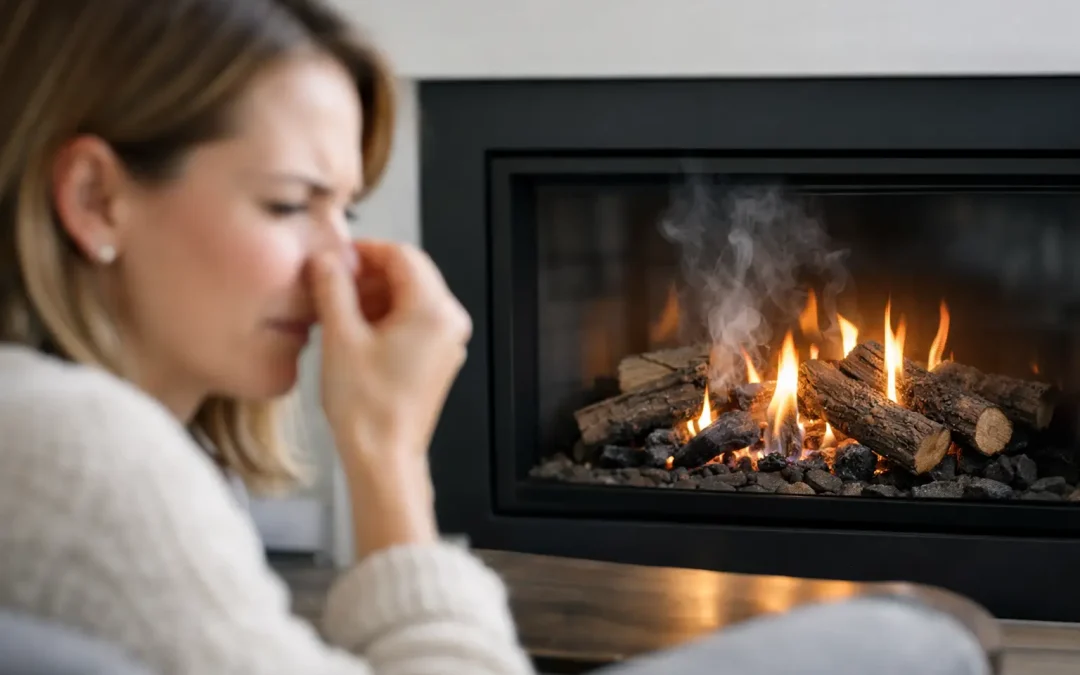
You turn on your fireplace expecting clean, steady warmth – and instead, you notice an odor that makes you pause. If you are asking, why does my gas fireplace smell, the answer depends on what the smell is like, when it happens, and how long it lasts. Some odors are harmless and temporary. Others point to a venting issue, residue buildup, or a gas-related problem that deserves expert attention.
A gas fireplace should never be ignored when something seems off. While not every smell means danger, gas appliances are precision systems. The safest approach is to understand what is normal, what is not, and when professional service is the right next step.
Why does my gas fireplace smell when I first use it?
One of the most common scenarios is a smell that appears during the first few uses of a new fireplace or at the start of the heating season. In many homes, this is tied to dust, manufacturing residue, or oils burning off hot surfaces. That odor can smell slightly chemical, metallic, or just unfamiliar. It is often more noticeable when the unit heats up after sitting unused for months.
In a newer installation, this break-in period is usually temporary. The smell should fade after several hours of operation, though it may take a few cycles before it fully disappears. In a seasonal startup, the issue is often dust that has settled on the burner, logs, firebox, or surrounding surfaces. As the fireplace warms, that dust burns away and creates a brief odor.
Even so, there is a difference between a short-lived startup smell and an ongoing issue. If the odor gets stronger, lingers well beyond the initial burn, or causes headaches or irritation, it is time to stop using the fireplace and have it inspected.
Common gas fireplace smells and what they may mean
The type of smell matters. Homeowners often describe fireplace odors in a few distinct ways, and each points to a different possibility.
A dusty or burnt-air smell is often the least concerning, especially after the unit has been off for a long time. This usually comes from household dust collecting on internal components or nearby surfaces. If it fades as the fireplace runs, that is generally a good sign.
A hot metal or light chemical smell can also be normal for a new fireplace. Factory coatings, paint, and manufacturing residue may need to cure under heat. This should improve with proper ventilation and repeated use.
A sulfur or rotten egg smell is different. Utility gas is treated with an odorant specifically so leaks are easier to detect. If your fireplace smells like rotten eggs, shut the unit off if it is safe to do so, leave the area, and treat it as a potential gas leak. That is not a wait-and-see situation.
A smoky or sooty smell may point to incomplete combustion, dirty components, burner issues, or venting problems. Gas fireplaces should burn cleanly. If you are noticing soot, dark residue, or a stale combustion odor, the system may not be operating as it should.
A strong musty smell sometimes comes from moisture, debris, or even small animals in or near the venting system. This is more common in direct-vent fireplaces that have sat unused for a season. It is not always a gas problem, but it still calls for a proper inspection because blocked or compromised venting can affect both performance and safety.
Why does my gas fireplace smell like gas?
A brief, faint gas smell right at ignition can happen in some systems, particularly if a small amount of gas is released just before the burner lights. That said, it should be minor and momentary. A persistent gas smell before, during, or after operation is not normal.
If you smell gas consistently, there may be a leak in a fitting, valve, flex line, or internal component. It could also indicate delayed ignition or a burner that is not lighting correctly. In either case, the fireplace should not continue to be used until it has been checked by a qualified gas technician.
This is where experience matters. Gas fireplace systems involve supply pressure, ignition timing, air-to-fuel balance, venting, and component condition. A surface-level fix is not enough when the issue involves fuel gas. TSSA-certified precision and reliability are what protect both comfort and safety.
Venting problems can create odors even without a gas leak
Many homeowners assume any fireplace odor must be a gas leak, but that is not always the case. A gas fireplace can smell unpleasant because combustion gases are not venting properly. If the vent is blocked, disconnected, damaged, or poorly installed, odors can move back into the living space instead of exiting as intended.
This can happen when birds build nests in vent terminals, when exterior caps are obstructed, or when internal vent components loosen over time. In some cases, negative air pressure inside the home can also affect draft and airflow. Newer, tighter homes can be especially sensitive to these air balance issues.
The trade-off here is that the cause is not always obvious to the homeowner. You may only notice that the smell appears during longer burns, windy weather, or when other exhaust appliances are running. That is why a detailed diagnostic approach matters more than guessing.
Dirty burners, logs, and fireboxes also affect smell
A fireplace that looks clean from the outside may still have buildup inside. Dust, pet hair, lint, and residue can collect around burners and underneath ceramic logs. Over time, that debris can alter flame behavior and create odors as it heats up.
Improper log placement is another issue that gets overlooked. Gas fireplace logs are not decorative in the casual sense – they are part of the system design. If logs shift out of position, flames may contact them incorrectly, which can lead to soot, odor, and uneven combustion.
Glass fronts can also trap residue. If the interior glass becomes coated, the unit may smell stale or burnt during operation. Cleaning the visible glass helps appearance, but internal servicing often requires a more complete professional maintenance visit.
When a smell is normal and when it is not
A normal gas fireplace smell is typically mild, temporary, and tied to a clear cause like first use, seasonal dust, or curing materials. It should improve quickly and not return in a strong or persistent way.
An abnormal smell is stronger, recurring, or paired with warning signs. Those signs include soot on the glass or surrounding surfaces, unusual flame color, delayed ignition, headaches, eye irritation, or any rotten egg odor. If the fireplace shuts off unexpectedly or seems to burn inconsistently, that adds another reason to stop using it and schedule service.
It also matters how old the unit is. A brand-new fireplace may need a controlled break-in period. An older fireplace that suddenly starts smelling different is more likely telling you something has changed in its condition, cleanliness, venting, or performance.
What you can do before calling for service
There are a few reasonable checks homeowners can make. If the fireplace is new, review the manufacturer guidance for the initial burn-off period and ventilate the room well during first use. If the fireplace has been off for months, a brief dusty smell at startup may clear on its own.
You can also look for obvious dust buildup around the unit, check whether the exterior vent termination appears blocked, and pay attention to the character of the odor. That information is helpful when describing the issue.
What you should not do is disassemble gas components, adjust burner parts, or keep testing a fireplace that smells strongly of gas or combustion. With gas appliances, confidence should come from verified condition, not guesswork.
Why professional fireplace service is worth it
A premium gas fireplace is meant to add warmth, comfort, and visual appeal to your home. If it smells wrong, it disrupts all three. More importantly, odor issues often point to hidden performance problems that can affect safety, efficiency, and the lifespan of the appliance.
Professional service goes beyond simply confirming that the unit turns on. A proper inspection checks burner condition, ignition, venting, gas connections, flame pattern, log placement, glass sealing, and overall appliance performance. It is the kind of detailed care that protects your investment and restores peace of mind.
For homeowners who expect a bespoke experience and lasting reliability, annual maintenance is one of the smartest decisions you can make. Companies like Platinum Gas approach fireplace service with the same craftsmanship and accountability used in expert installation work.
If your fireplace odor is brief and predictable, the fix may be simple. If it is persistent, sharp, or concerning, trust that instinct. A gas fireplace should make your space feel elegant and comfortable – not uncertain. When something smells off, the right next step is a careful inspection that brings your system back to platinum standard performance.