
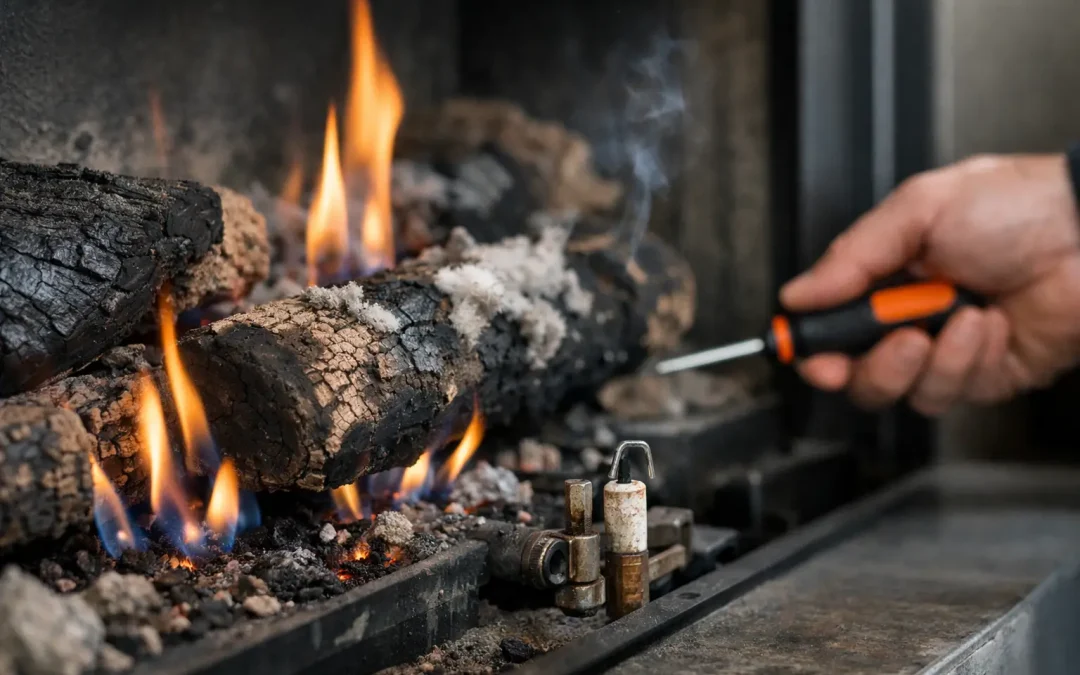
A gas fireplace should feel easy. You flip a switch or turn a key, and the room gets instant warmth, steady flame, and the kind of comfort that makes the whole space feel finished. When that experience starts to change, the top signs your gas fireplace needs service usually show up before the unit stops working entirely.
Catching those changes early matters. A fireplace is not just a design feature – it is a gas appliance that depends on clean combustion, proper venting, reliable ignition, and precise components. If something seems off, the right response is not guesswork. It is professional inspection and service from a qualified technician who can protect both performance and safety.
Why small fireplace issues should not be ignored
Many homeowners wait until their fireplace will not turn on at all. That is understandable, especially if the unit still produces some heat or appears mostly normal. But gas systems rarely move from perfect to failed overnight.
More often, performance slips in subtle ways. The flame changes color. The glass fogs more than usual. The unit cycles strangely or gives off an unusual smell. Those details can point to buildup, wear, ventilation issues, ignition trouble, or a component that is beginning to fail. In some cases, the fix is straightforward if handled early. Left alone, the same issue can become more expensive or create a larger safety concern.
Top signs your gas fireplace needs service
The fireplace is harder to start
If your fireplace hesitates, clicks repeatedly, or only starts after multiple attempts, something in the ignition system may need attention. It could be the pilot assembly, ignition components, thermocouple, thermopile, or gas flow itself.
Sometimes homeowners assume this is just a minor quirk, especially at the start of the season. It is not a habit worth accepting. A properly operating gas fireplace should ignite consistently. If startup has become unpredictable, service is the right next step.
The flame looks weak, uneven, or the wrong color
A healthy gas fireplace flame should look stable and visually balanced. Depending on the unit, some yellow in the flame pattern may be normal, especially in decorative log sets, but dramatic changes are not.
If the flame suddenly looks smaller than usual, burns unevenly across the burner, or turns unusually blue, orange, or erratic, that can signal burner blockage, air-to-fuel imbalance, dirty components, or venting issues. Flame appearance is one of the clearest performance indicators in any gas appliance. When it changes, it deserves expert evaluation.
You notice soot buildup
Gas fireplaces are designed to burn cleaner than wood-burning systems, so visible soot is not something to brush off. Black residue on the glass, around the firebox, or on nearby surfaces may indicate improper combustion.
This can happen when logs are out of position, burners are dirty, or airflow is not correct. It depends on the unit and the installation, which is why a professional diagnosis matters. The issue may be relatively simple, but soot is a sign that the fireplace is not operating at its intended standard.
Strange odors linger when the unit runs
A slight smell the first time you use a fireplace after a long off-season can be normal as dust burns off. That should fade quickly. If you continue to notice a strong gas smell, a sharp burning odor, or anything unusual that persists, stop using the unit and arrange service.
Odors can point to several issues, from dust and debris buildup to venting problems or a gas leak concern. This is one of those cases where caution is the premium choice. A fireplace should add comfort, not uncertainty.
The pilot light will not stay lit
A pilot light that goes out repeatedly is one of the most common reasons homeowners call for service. It can be related to a failing thermocouple, a dirty pilot assembly, draft interference, or fuel supply issues.
The important part is not to normalize it. If you are relighting the pilot over and over, the system is telling you something. Reliable operation depends on stable ignition and proper flame sensing. When that chain is interrupted, professional service is the right solution.
The glass becomes excessively cloudy or dirty
Some light film on fireplace glass can happen over time, but heavy clouding, fast residue buildup, or discoloration often suggests the appliance needs maintenance. Dirt on the burner, improper flame characteristics, or combustion issues can all contribute.
Homeowners sometimes focus only on the appearance, but this is not just a cosmetic concern. When the glass is getting dirty unusually fast, it often reflects a deeper performance issue inside the unit.
The fireplace turns off unexpectedly
If your fireplace starts normally but shuts down on its own, there may be a problem with the safety systems, sensor readings, venting, or internal components. Modern gas fireplaces are built to shut down when certain conditions are not right, which is a good thing. The shutdown is a symptom, not the problem itself.
Intermittent issues can be especially frustrating because they seem to come and go. That does not mean they should be ignored. In fact, inconsistent behavior is often a sign that a component is wearing down and may fail completely later.
Unusual sounds are coming from the unit
A gas fireplace is not silent, but it should not make you nervous. Clicking during ignition can be normal. Ongoing rattling, popping, whistling, or humming that seems new is worth attention.
Noises can come from expanding metal, loose components, blower issues, or airflow restrictions. Some sounds are minor. Others point to service needs that will only get worse with more use. If the fireplace sounds different than it used to, that change matters.
Heat output has dropped
If your fireplace still turns on but no longer seems to warm the room the way it once did, the issue may be more than age. Burners may be dirty, components may be underperforming, or the unit may not be combusting efficiently.
This is one of the easiest signs to overlook because the fireplace is technically still working. But reduced heat means reduced value from the appliance and may indicate service is overdue. Premium comfort depends on consistent performance.
Your annual service has been skipped
Not every service call begins with a problem. Sometimes the clearest sign your gas fireplace needs attention is simply time. Routine maintenance helps catch wear, clean critical components, confirm safe operation, and keep the fireplace ready for dependable use.
If it has been a year or longer since the unit was professionally checked, scheduling service is a smart move even if nothing obvious seems wrong. Preventive care is often the difference between a smooth heating season and an untimely repair.
What a professional fireplace service visit should cover
A proper service appointment goes beyond wiping down visible surfaces. An expert technician should inspect ignition performance, burner condition, pilot operation, venting, gas connections, flame pattern, safety controls, and overall appliance function. The glass, logs, and internal components should also be checked and cleaned according to the manufacturer’s requirements.
That level of attention matters because gas fireplaces are precision systems. A cosmetic clean-up is not the same as technical service. Homeowners who value quality, safety, and long-term reliability should expect a careful, certified approach.
When to stop using the fireplace right away
Some signs suggest urgency more than routine maintenance. If you smell gas, see excessive soot, notice persistent unusual odors, or suspect venting issues, turn the fireplace off and do not continue testing it yourself. The same applies if the unit is behaving erratically in a way that raises concern.
There is a difference between a fireplace that needs scheduled service and one that may present an immediate safety issue. If you are unsure which situation you are dealing with, the cautious path is the right one.
Choosing service that matches the quality of your home
A gas fireplace is part heating appliance, part design feature, and part daily comfort. It deserves more than a rushed, low-detail service visit. Whether the unit is in a primary living room, a custom great room, or a commercial setting, the right technician should treat both the system and the space with care.
That is where specialized service makes a difference. A company like Platinum Gas brings TSSA-certified precision, tailored support, and a premium standard of workmanship that matches the expectations of homeowners who want the job done properly.
If your fireplace has been acting differently, trust that instinct. The best time to service a gas fireplace is usually before the issue becomes obvious to everyone else.