
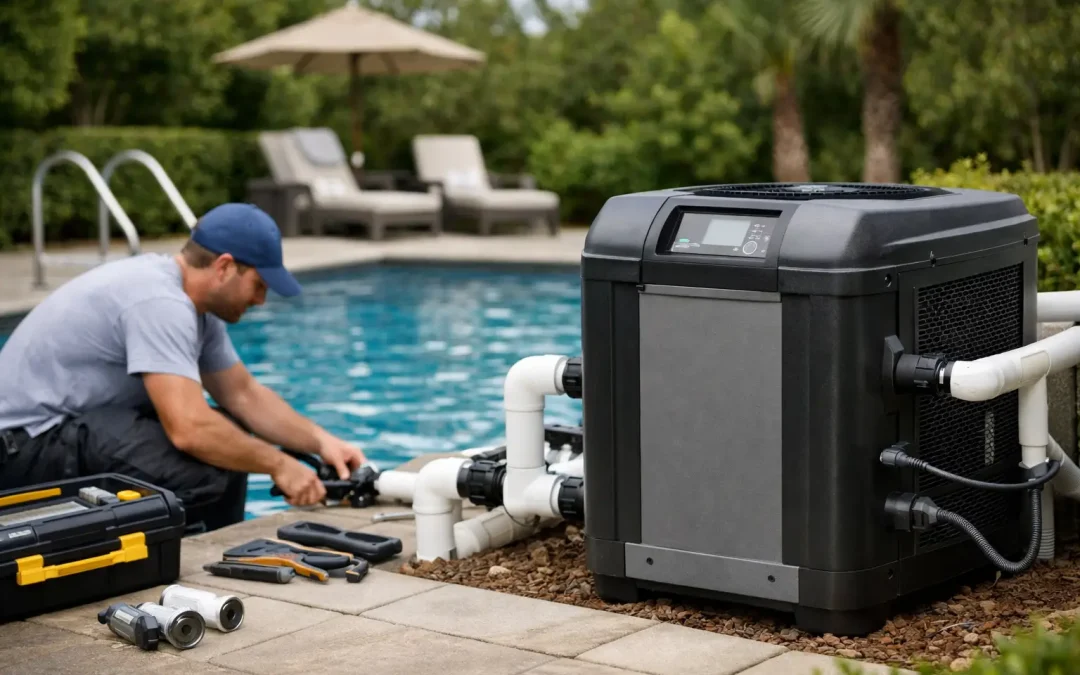
A pool that looks perfect in July can feel like a missed investment in May and September. That is usually the moment homeowners start asking about pool heater install – not as a luxury add-on, but as the difference between a pool that gets used occasionally and one that becomes part of daily life.
For most properties, the real question is not whether heating is possible. It is whether the system is designed properly for the way you actually use your pool. A premium installation should give you dependable warmth, efficient performance, and confidence that every gas connection, venting requirement, and safety detail has been handled with expert care.
Why pool heater install is rarely one-size-fits-all
Two backyards can have pools that look nearly identical and still need very different heating solutions. Pool size matters, of course, but so do exposure to wind, use of a solar cover, desired water temperature, elevation changes in the gas line, and how quickly you want the water heated.
That is why a thoughtful installation starts with your habits, not just the equipment catalog. Some homeowners want to maintain a steady swim temperature all season. Others want faster recovery for weekends, evening swims, or entertaining. A commercial or multi-user property may need a system that can keep up with much heavier demand.
When those details are ignored, the result is familiar. The heater runs longer than expected, operating costs climb, and the water still never feels quite right. A customized approach avoids that problem by matching heater capacity and gas supply to the pool’s real workload.
Choosing the right heater for your property
In a gas-based pool heater install, the most common conversation centers on natural gas versus propane. Both can deliver strong performance, but the best fit depends on your property setup, fuel access, and long-term plans.
Natural gas is often attractive for homes already served by a gas line. It can offer convenience for ongoing use, especially if you plan to heat the pool regularly throughout the season. Propane can be an excellent solution where natural gas service is unavailable or where site conditions make propane the more practical option.
The more important point is that fuel choice should be part of a complete design discussion, not a rushed decision. The supply line must be sized correctly. The heater must be compatible with the application. Clearances, regulator requirements, and overall equipment placement all need to support safe, efficient operation.
Sizing is where performance is won or lost
Homeowners are often told bigger is better. That is not always wrong, but it is incomplete. An undersized unit struggles to keep up. An oversized system can create its own inefficiencies depending on usage patterns and equipment pairing.
Proper sizing takes into account the pool’s surface area, volume, desired temperature rise, local climate, and whether a cover is used. If you like warm water early in the season or want quick recovery after cool nights, that changes the recommendation. If your goal is occasional heating for specific events, that may point toward a different setup.
This is where experienced planning pays off. A heater should not simply be installed. It should be selected with precision so it performs the way you expect, season after season.
What a professional pool heater install should include
A premium installation experience goes far beyond placing a heater beside the pool equipment pad. The visible equipment is only one part of the job. What matters just as much is everything behind the scenes.
A professional installer should evaluate gas capacity, appliance location, venting needs where applicable, code requirements, manufacturer specifications, and the condition of the existing pool system. If the circulation system, valves, or pad layout create restrictions, those issues should be addressed before they turn into performance problems later.
A proper pool heater install also includes attention to aesthetics and access. Equipment should be positioned with serviceability in mind, but it should also respect the overall design of your outdoor space. On a well-planned project, the heater supports the backyard experience without becoming the focal point.
Safety and certification are not optional details
Gas work should never be treated like a minor accessory upgrade. When a pool heater is added, the installation affects fuel delivery, combustion, clearances, and equipment integration. Every one of those points has safety implications.
That is why licensed, insured, and TSSA-certified expertise matters. Homeowners should expect work that aligns with applicable codes, manufacturer standards, and safe operating practices. Just as important, they should expect clear communication about what is being installed, why it is being placed there, and what future service or maintenance will look like.
Premium service is not about using technical language to impress people. It is about doing the job correctly, documenting it properly, and giving the customer confidence that the system has been installed to a platinum standard.
Common factors that affect cost
Most homeowners want a straightforward number, but pool heater pricing depends on more than the heater itself. The appliance is one part of the investment. Gas line length, line sizing, trenching needs, propane setup, pad modifications, electrical coordination, and access to the installation area can all influence the scope.
There is also the question of existing infrastructure. If your property already has adequate gas service in the right location, installation may be relatively direct. If gas capacity needs to be expanded or the equipment area needs to be reorganized, the project becomes more involved.
That is not a reason for concern. It is simply why accurate quoting should come after a real site review. A customized proposal is far more valuable than a low estimate that leaves out critical requirements and grows later.
The timing question: when should you install?
Many homeowners start thinking about pool heat once the weather is already warm. By then, everyone else is thinking the same thing. If you want your system ready for the start of swim season, earlier planning usually leads to a smoother process.
Spring and even late winter are often ideal times to schedule a pool heater install. That allows time for site assessment, equipment selection, any gas service adjustments, and installation before demand peaks. It also reduces the risk of rushing decisions when you are eager to start using the pool.
If you are already renovating the backyard, adding a fire feature, or upgrading outdoor living elements, that can be an especially smart time to address pool heating. Coordinating projects often creates a cleaner final result and a more efficient installation process.
Why maintenance matters after installation
A high-quality heater is not a set-it-and-forget-it system. Like any gas appliance, it benefits from regular inspection and service. Water chemistry, debris, burner condition, and seasonal wear can all affect performance over time.
Routine maintenance helps protect efficiency, catch small issues before they become expensive repairs, and extend equipment life. It also supports reliability during the months you want the system performing at its best. There is a clear difference between a heater that merely turns on and one that operates cleanly, safely, and consistently.
For homeowners who value long-term performance, ongoing service is part of the investment. The goal is not just installation day success. It is comfort and confidence every season after.
Is a pool heater worth it?
For the right homeowner, absolutely. But the answer depends on how you use your backyard. If your pool sits cold outside a narrow midsummer window, heating can dramatically increase the value you get from the space. It can make morning swims comfortable, extend the season on both ends, and make entertaining more predictable.
If you rarely use the pool or prefer to swim only on the hottest days, the return may feel less dramatic. That is why honest guidance matters. A quality-driven provider should help you decide whether a pool heater install truly fits your goals, not simply sell equipment.
At Platinum Gas, that kind of guidance is part of the experience homeowners expect from a specialized gas contractor. The best projects are built around safety, performance, and a tailored plan that respects both the property and the people using it.
A warm pool changes the way a backyard gets used, but the real value comes from knowing the system behind that comfort was installed with precision, care, and the kind of expertise that makes ownership feel easy.