
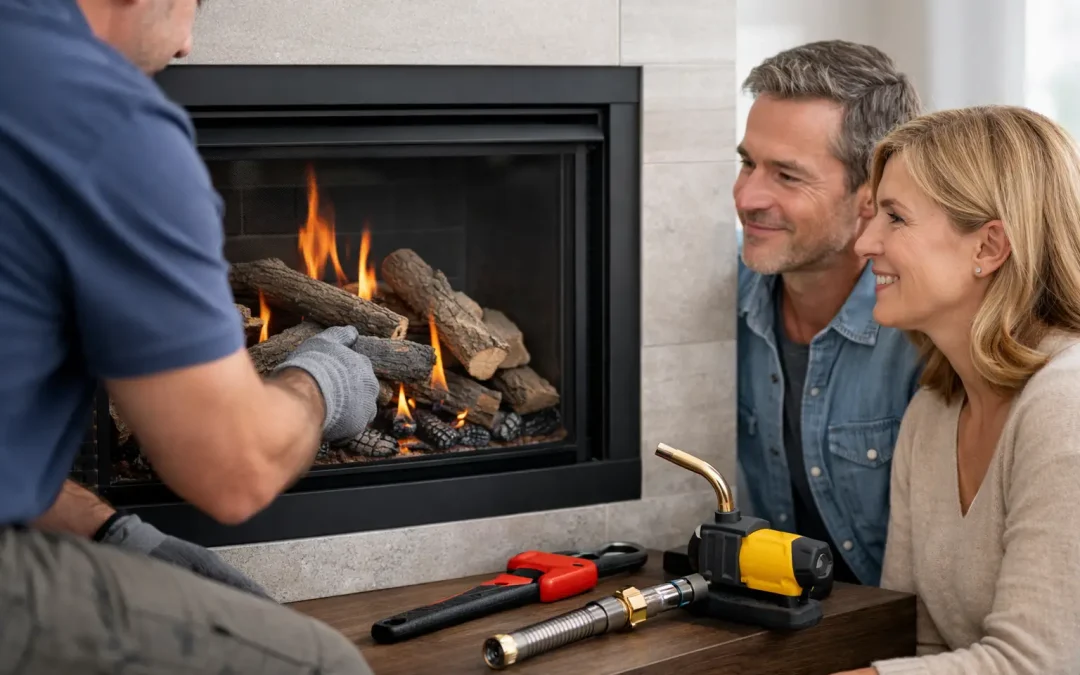
A gas fireplace can change the feel of a room faster than almost any other upgrade. Done well, fireplace installation gas work adds warmth, visual comfort, and everyday convenience without the mess of storing wood or cleaning ash. Done poorly, it creates design compromises, performance issues, and safety risks that should never be left to chance.
For homeowners investing in a premium finish, the installation itself matters just as much as the fireplace you choose. The right unit has to fit the room, the fuel source, the venting path, and the way you actually live in the space. That is why a proper installation is less about dropping in an appliance and more about building a customized solution around comfort, code compliance, and reliable operation.
Why fireplace installation gas projects need a tailored plan
At first glance, many fireplaces can look similar. A sleek linear model, a traditional insert, or a compact unit for a smaller sitting room may all seem like simple style decisions. In practice, each option comes with different requirements for gas line sizing, clearances, venting, framing, finishing materials, and service access.
That is where experience shows. A fireplace should not only look exceptional on install day. It should ignite properly, heat consistently, vent safely, and remain easy to maintain years later. A customized plan helps prevent common problems such as undersized gas supply, poor flame appearance, overheating nearby finishes, or awkward placement that never quite feels right once the room is complete.
For many homeowners, the best result sits at the intersection of design and function. You may want a bold focal point in an open-concept living area, but the room layout, exterior wall access, and vent routing may shape what is realistic. In other homes, an insert into an existing masonry opening offers the most efficient path to improved comfort, while preserving the character of the original fireplace.
Choosing the right type of gas fireplace
The first major decision is usually the type of unit. This is where an expert consultation saves time and prevents expensive changes later.
Direct vent fireplaces
Direct vent models are a strong choice for many homes because they pull combustion air from outside and vent exhaust outdoors. They offer dependable performance and a high level of safety when installed correctly. They also give homeowners more flexibility in maintaining indoor air quality and comfort.
These units are often ideal for primary living spaces, family rooms, and master bedrooms. The trade-off is that vent routing still needs to work with the structure of the home, so placement may be influenced by wall access or vent path limitations.
Gas inserts
A gas insert is designed to fit into an existing wood-burning fireplace opening. This can be a smart solution when you want to upgrade an underperforming or drafty fireplace without rebuilding the whole area.
Inserts can improve efficiency and convenience dramatically. That said, the condition of the existing chimney and firebox matters. Not every old fireplace is ready for a straightforward conversion, and some require additional work to support a safe, code-compliant installation.
Built-in or zero-clearance fireplaces
These are often chosen for new construction, renovations, or rooms where no fireplace currently exists. They give you greater freedom in design, including modern feature walls, custom mantels, and clean, architectural finishes.
They are also where planning matters most. Framing dimensions, finish details, and clearance requirements need to be coordinated early so the final result feels integrated rather than added on as an afterthought.
What affects the cost of fireplace installation gas service
Homeowners often ask for a simple price, but the honest answer is that cost depends on the scope. The fireplace itself is only one part of the project.
Gas line installation is a key factor. If the fireplace location is close to an existing natural gas or propane supply, the work may be more straightforward. If the line must travel a long distance, pass through finished areas, or support additional appliances on the same system, the installation becomes more involved.
Venting also affects price. A direct route through an exterior wall is usually less complex than a longer vent run through multiple building sections. Then there are the finish details, which can vary significantly. A simple surround and standard wall treatment is one level of project. A full custom feature wall with tile, stone, millwork, or integrated media components is another.
Permits, code requirements, and inspection standards are also part of the real cost of a proper installation. Premium service is not about adding extras for appearance alone. It is about making sure the system is safe, compliant, and built for long-term performance.
Fireplace installation gas safety is not the place to cut corners
Gas appliances should always be installed by qualified professionals. This is not simply a recommendation for peace of mind. It is essential for safe operation.
A properly installed fireplace needs the correct gas pressure, approved venting materials, proper clearances from combustibles, and manufacturer-compliant setup. Even small installation errors can lead to poor combustion, soot issues, ignition failure, heat damage, or carbon monoxide concerns.
Certified technicians approach the project with a level of precision that protects both the appliance and the home. They account for what homeowners may not see, including regulator requirements, leak testing, termination placement, and the effect of room design on usable heat and airflow.
That attention to detail is part of setting a platinum standard. The visible finish matters, but the unseen workmanship is what supports safe comfort every time you turn the fireplace on.
How to prepare your home for installation
If you are planning a new fireplace, it helps to think beyond the appliance itself. Consider how the room will be used during the day and evening, where furniture will sit, and what you want the fireplace to do. Some homeowners want supplemental heat. Others care most about ambiance and visual impact. Often, the best result delivers both, but priorities should be clear from the start.
It is also worth thinking about finish materials early. Stone, tile, drywall, wood accents, and mantel design all affect the final look, and some materials come with specific clearance requirements. Waiting until after the unit is selected can narrow your design options.
If this is part of a larger renovation, coordination matters. Electricians, finish carpenters, tile installers, and gas technicians all need the right sequence. When the installation is handled with clear communication and expert planning, the process feels organized and the result feels intentional.
Common mistakes homeowners can avoid
One of the most common mistakes is choosing a fireplace based only on appearance. A beautiful unit that is oversized for the room or poorly matched to the venting layout can be disappointing in practice.
Another mistake is underestimating the finish work. The fireplace may be the centerpiece, but the wall around it frames the experience. If the proportions are off or the surrounding materials feel disconnected from the home, even a high-end appliance can look unfinished.
There is also the issue of service access. Clean design matters, but so does future maintenance. A fireplace should be installed in a way that allows proper inspection and service without damaging the surrounding finishes.
Finally, bargain pricing can be expensive in the long run. Homeowners who value safety, craftsmanship, and long-term reliability are usually better served by working with a specialist who understands both the technical and design side of the project. That is especially true for premium homes where the expectation is not just function, but exceptional fit and finish.
What a premium installation experience should feel like
A high-quality gas fireplace project should feel calm, clear, and well managed. You should know what is being installed, why it suits your home, what the process involves, and how the finished system will be supported over time.
That level of service is what many homeowners are really looking for. They do not just want heat. They want confidence that every detail has been considered, from appliance selection to code compliance to the final appearance in the room. Platinum Gas is built around that expectation, with TSSA-certified precision and a bespoke approach that respects both safety and design.
When the right fireplace is installed the right way, the impact is immediate. The room feels warmer, more finished, and more inviting. And long after the installation crew leaves, the value remains in the quiet reliability of a system designed to perform beautifully every season.