
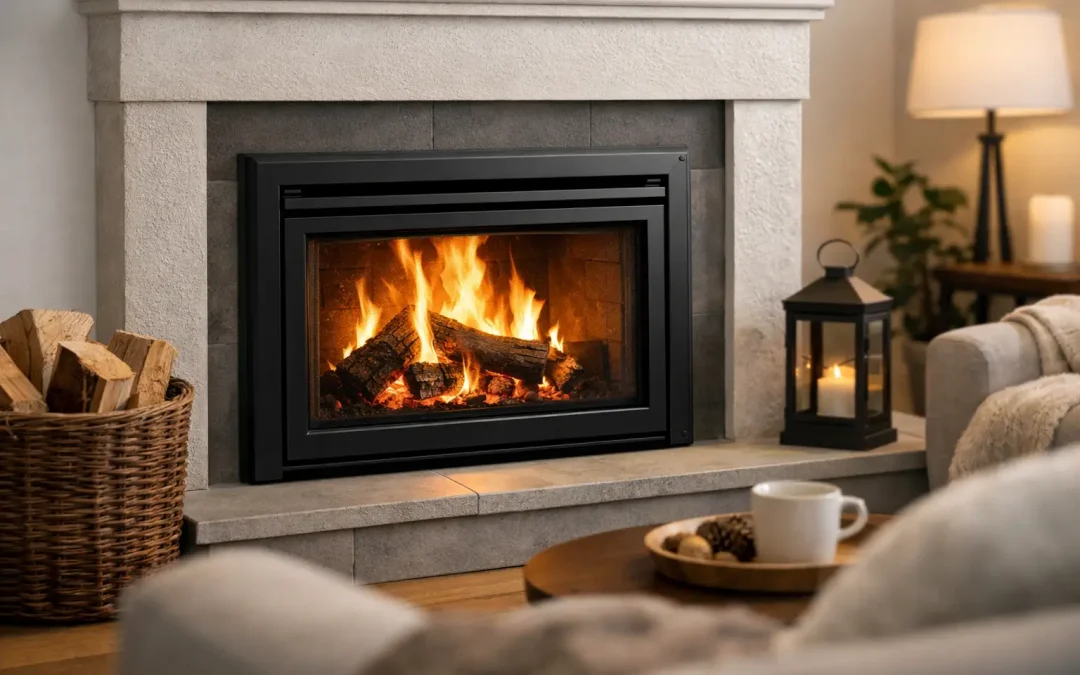
A fireplace should do more than look beautiful on a winter evening. If your goal is real heat, lower energy waste, and dependable comfort, choosing among the best fireplace inserts for heating comes down to one question – what will perform well in your home, not just in a showroom.
That distinction matters. Many homeowners start with style and only later realize that insert type, venting, efficiency, room size, and fuel source will decide whether the unit becomes a practical heat source or simply an attractive feature. The right insert can transform an underperforming masonry fireplace into a cleaner, more efficient system that adds warmth, control, and long-term value.
What makes the best fireplace inserts for heating?
Heating performance is not just about BTUs on a product sheet. A well-chosen insert should produce consistent heat, fit the scale of the space, and operate in a way that suits your household. A large insert in a compact room can make the area uncomfortable, while an undersized unit may run constantly without delivering the warmth you expect.
Efficiency also matters, but it should be viewed in context. A highly efficient insert is valuable only if it is installed correctly, vented properly, and matched to your home’s layout. Open-concept spaces, ceiling height, insulation quality, and existing gas or electrical access all influence the result.
For most homeowners, the best option balances five factors: heat output, fuel availability, operating cost, maintenance needs, and design fit. That is where the comparison becomes more useful than simply chasing the highest number on a brochure.
Gas fireplace inserts: the leading choice for everyday heating
For many households, gas units rank among the best fireplace inserts for heating because they combine strong performance with simple operation. With the push of a button or wall switch, you can get immediate heat without hauling wood, cleaning ash, or waiting for a fire to build.
A quality gas insert delivers controlled, steady warmth and often includes adjustable flame settings, blowers, and thermostatic controls. That makes it especially appealing for homeowners who want comfort on demand and a refined finish that enhances the room. In homes with existing natural gas or propane service, installation can also be more straightforward than adding an entirely new fuel system.
The biggest advantage is convenience, but it is not the only one. Direct vent gas inserts are designed to operate efficiently while protecting indoor air quality. They can be an excellent solution for main living areas, family rooms, and primary gathering spaces where comfort and visual appeal matter equally.
The trade-off is that gas inserts require proper professional installation and service. They are not a casual DIY project. Venting, gas line sizing, code compliance, and manufacturer specifications all need expert attention if you want safe, reliable performance. For homeowners who value precision, safety, and a polished finished product, this is usually a worthwhile investment.
Who gas inserts are best for
Gas inserts are ideal for homeowners who want dependable zone heating, clean operation, and easy control. They are especially well suited to busy households, upscale renovations, and properties where convenience is just as important as heat output.
Wood fireplace inserts: strong heat, more effort
If your priority is powerful radiant heat and the traditional experience of a live fire, wood inserts remain a serious contender. A well-built wood insert can produce substantial warmth and, in the right setting, may heat a large portion of the home.
This option tends to appeal to homeowners who enjoy the ritual of building and tending a fire. There is also a sense of independence that comes with wood heat, particularly in areas where homeowners want a backup heating option during outages. Some wood inserts can continue operating without household power, though blower features may not.
The trade-off is time and maintenance. Wood inserts require fuel storage, chimney liner considerations, regular cleaning, and ongoing attention. Performance also depends on the quality and dryness of the wood. If the fuel is poor, the heating experience usually is too.
For some households, that effort is part of the appeal. For others, it becomes a burden after the first season. Wood inserts can be among the best fireplace inserts for heating, but only if you are comfortable with the commitment they require.
Pellet inserts: efficient and practical, with a narrower fit
Pellet inserts sit somewhere between wood and gas in terms of user experience. They burn compressed wood pellets and can provide efficient, steady heat with less mess than a traditional wood fire. Many models include hopper-fed systems and programmable controls, which makes operation more predictable.
This can be a smart choice for homeowners who want solid heating performance and like the idea of a biomass fuel source without the full hands-on demands of cordwood. Pellet units are often praised for efficiency and relatively consistent heat delivery.
Still, they are not the best fit for every property. Pellet inserts rely on electricity for operation, and owners need reliable pellet supply, storage space, and regular cleaning habits. The sound of motors and feed systems can also be a factor in quieter living spaces. If ambiance and silence are high priorities, some homeowners find gas inserts more refined.
Electric inserts: easiest installation, gentler heat
Electric fireplace inserts are often chosen for convenience and appearance first, with heating as a secondary benefit. They are easy to install compared with vented gas or solid-fuel options, and they work well where adding venting or gas service is not practical.
That said, electric inserts usually provide supplemental heat rather than whole-room performance on the level of gas, wood, or pellet models. They can take the chill off a bedroom, office, or condo living space, but they are rarely the strongest answer for homeowners specifically searching for the best fireplace inserts for heating a large main area.
Where electric units shine is flexibility. They can be a smart design-forward choice in spaces where flame aesthetics matter and heating demands are modest. If your priority is meaningful heat output in a busy family room or open-concept main floor, other insert types usually offer better results.
How to choose the right insert for your home
The best decision starts with how you plan to use the fireplace. If it will be a daily or near-daily heat source, convenience and controllability matter more than they do for an occasional feature fireplace. In that case, gas often stands out because it delivers reliable performance without adding work to your routine.
Room size should guide your expectations. Smaller enclosed rooms can warm quickly, while larger connected spaces may need higher output and effective air circulation. A premium installation process should account for these realities rather than simply dropping in the largest unit that fits the opening.
Your existing infrastructure also matters. Homes with natural gas service may find gas inserts especially practical. Properties without gas access may weigh propane, pellet, wood, or electric options differently based on storage, venting, and local fuel availability.
Design should not be treated as separate from performance. The viewing area, surround finish, and overall scale of the insert affect how naturally it integrates into the room. The strongest results come from a customized approach where heating goals, safety requirements, and visual standards are aligned from the start.
Why installation quality changes everything
Even the best insert can underperform if installation is rushed or poorly planned. This is particularly true for gas systems, where venting, clearance requirements, pressure checks, and code compliance directly affect safety and heat performance.
A professionally installed insert should feel intentional in every sense. It should operate efficiently, look finished, and provide confidence that the system has been set up to the right standards. That level of care is especially important for homeowners investing in a premium upgrade rather than a temporary fix.
For gas fireplace projects, working with licensed and TSSA-certified professionals helps protect both performance and peace of mind. Companies such as Platinum Gas focus on that higher standard because fireplaces are not just decorative features – they are fuel-burning systems that need precision.
Which type is best overall?
If you want the most balanced answer, gas fireplace inserts are the best overall choice for most homeowners focused on heating. They offer an excellent mix of efficiency, comfort, controllability, and clean everyday use. Wood inserts can outperform them in certain situations for raw heat and off-grid appeal, but they ask more of the homeowner. Pellet inserts can be efficient and practical, though they suit a narrower set of preferences. Electric inserts are the easiest to live with but usually not the strongest heating solution.
The right insert is the one that fits your home, your fuel access, and your expectations for comfort. A beautiful fireplace is always welcome, but when the temperature drops, what really matters is whether that fireplace delivers heat you can count on.