
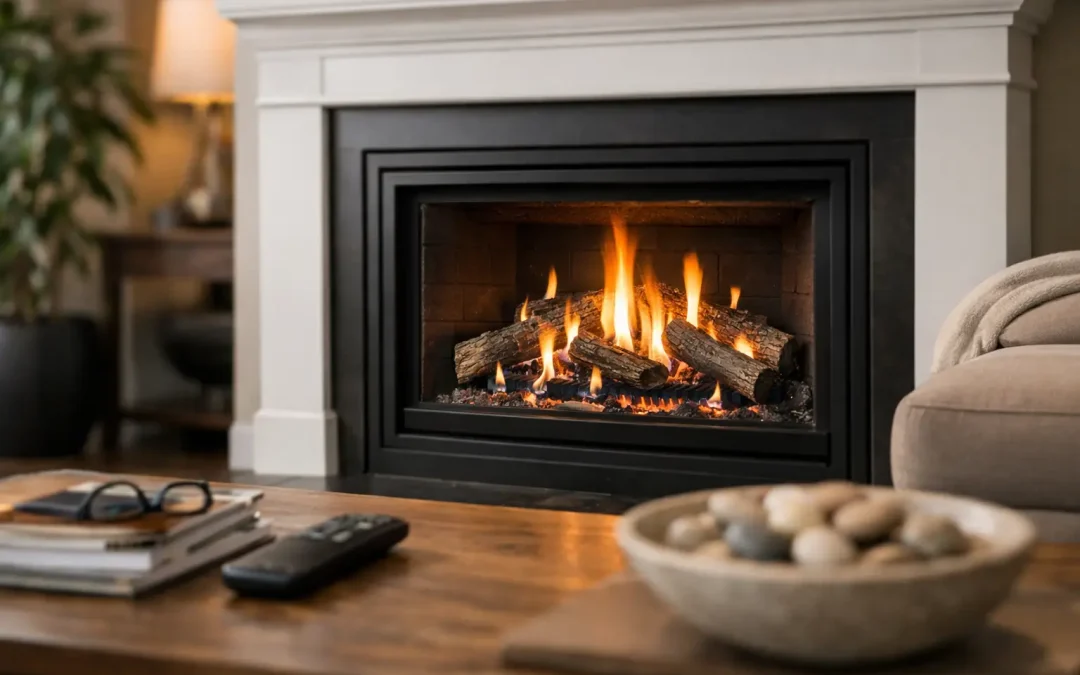
A gas insert can change the entire feel of a room in a single day – but only if you choose the right one for your home, your chimney, and the way you actually live. When homeowners start searching for the best fireplace inserts gas options, they usually want three things at once: dependable heat, a refined look, and confidence that the installation will be handled safely and correctly.
That combination is exactly where the decision gets more nuanced than most product roundups make it sound. The best insert for a formal living room is not always the best fit for a family room that runs every evening. A unit that looks impressive in a showroom may be oversized for your space, too decorative for your heating goals, or simply not ideal for your venting setup.
What makes the best fireplace inserts gas models worth buying?
The strongest gas inserts balance performance, appearance, and long-term reliability. You are not just buying a firebox. You are choosing how the appliance will heat the room, how it will frame the space visually, how quietly it will operate, and how well it will hold up over years of seasonal use.
Heat output matters, but bigger is not automatically better. An insert with too much BTU capacity can make a room uncomfortable and cycle inefficiently. Too little output, and you end up with more ambiance than usable warmth. The best choice is properly sized for the square footage, insulation level, ceiling height, and overall layout of the area you want to heat.
The flame presentation also matters more than many homeowners expect. Some inserts are built for a cleaner, contemporary look with linear styling and minimal trim. Others are designed to mimic a traditional wood-burning fireplace with detailed log sets, glowing ember beds, and more natural-looking flame movement. Neither is universally better. It depends on whether you want the insert to disappear into the design or become a clear focal point.
Then there is the quality of the build itself. Better inserts tend to offer more consistent ignition, stronger materials, cleaner finishes, quieter blowers, and better control systems. That translates into a more polished ownership experience, which is exactly what premium homeowners are usually after.
The best fireplace inserts gas buyers should compare first
If you are trying to narrow the field, start with the factors that affect daily satisfaction rather than just the sales tag. A lower upfront price can look appealing, but if the insert lacks realistic flame depth, reliable controls, or proper heating performance, the value disappears quickly.
Direct vent vs. vent-free
For most homeowners, direct vent inserts are the more dependable long-term choice. They pull combustion air from outside and vent exhaust outdoors, which supports both safety and indoor air quality. They also tend to be the preferred option for clients who want a cleaner, more refined installation standard.
Vent-free systems can work in some situations, but they are more limited by local code, room conditions, and homeowner comfort preferences. Some people are sensitive to the indoor byproducts or moisture they can introduce. If you are aiming for premium performance and peace of mind, direct vent usually makes more sense.
Natural gas vs. propane
Both fuel types can perform beautifully when the insert is matched and installed correctly. Natural gas is often the easier fit where utility service is already available. Propane can be an excellent solution for properties without natural gas access, especially when flexibility matters.
The real issue is not which fuel is inherently better. It is whether the appliance is designed for the fuel you have, whether supply is sized properly, and whether installation is completed with certified precision.
Heating efficiency
Many homeowners initially shop by appearance and only later realize they wanted a meaningful heat source. If heat is one of your priorities, pay attention to efficiency ratings, blower options, and whether the unit is designed for supplemental warmth or more serious room heating.
A highly decorative insert can still perform well, but some units are clearly better suited for ambiance than output. The right choice depends on whether this fireplace is mainly about mood, comfort, or both.
Sizing is where many buying decisions go wrong
A common mistake is assuming an insert can be chosen by opening size alone. The existing fireplace dimensions are important, but they are only one piece of the decision. The insert must physically fit the firebox, align with venting requirements, and make sense for the room’s heating demands.
Surround size and face design also affect the final appearance. A unit may technically fit, but if the surround looks undersized or leaves the installation visually unbalanced, the finished result can feel less custom than expected. For homeowners investing in a design upgrade, those details matter.
This is why on-site assessment is valuable. Proper measurements, fuel availability, clearance requirements, chimney condition, and vent liner planning all need to be confirmed before recommending a model with confidence. That level of planning is part of setting a platinum standard for installation rather than treating the project like a simple appliance swap.
Style matters, but so do controls and comfort
Gas inserts have improved dramatically in both aesthetics and usability. Many premium models now offer remote controls, wall switches, variable flame settings, thermostatic functions, fan speed control, and optional lighting features. Those upgrades are not just nice extras. They shape how often you use the fireplace and how convenient it feels in everyday life.
If the insert is going into a primary gathering space, ease of use should be a real priority. Homeowners who use their fireplace regularly tend to appreciate responsive controls, consistent startup, and adjustable heat levels far more than they expected.
From a design standpoint, trim kits, media choices, interior liners, and front styles all influence the final look. Traditional interiors often benefit from realistic logs and classic black or bronze detailing. More modern rooms may call for glass media, cleaner edges, and a less ornate face. The best result feels integrated into the home rather than selected from a catalog in isolation.
Installation quality is just as important as the insert itself
A premium insert can still underperform if it is installed poorly. Gas line sizing, venting configuration, liner installation, ignition setup, safety checks, and finishing details all affect operation and longevity. This is not an area where homeowners benefit from guesswork or cut corners.
Professional installation also matters because every home presents its own variables. Older masonry fireplaces, existing chimney conditions, draft issues, and room-specific clearances can all change the best path forward. An expert installer looks beyond the product brochure and accounts for how the appliance will behave in the real setting.
That is why many homeowners choose a specialist rather than a general contractor. A service-focused, TSSA-certified team brings technical accountability to the project while also helping the design side feel intentional. At Platinum Gas, that bespoke approach is part of the value – not an added extra.
What to expect from maintenance and ownership
The best gas insert is not a zero-attention appliance. It is lower maintenance than wood, but it still benefits from regular service. Burners should be inspected, glass should be cleaned correctly, venting should be checked, and controls should be tested to keep performance sharp and safe.
Annual servicing is especially smart if the fireplace gets steady seasonal use. It helps catch wear early, protects efficiency, and keeps flame appearance consistent. Homeowners who invest in a high-end insert usually want it to keep looking and performing like a premium feature, and routine maintenance supports that.
You should also expect some variation in operating feel between models. Some inserts prioritize stronger fan-assisted heat. Others focus more on visual realism and quieter ambiance. That is not a flaw. It is simply why side-by-side comparison and expert guidance matter.
How to choose the right model for your home
If you are evaluating the best fireplace inserts gas choices, begin with the room, not the brochure. Think about whether the space needs real supplemental heat, whether your style leans classic or contemporary, and how often the fireplace will actually be used.
From there, confirm fuel type, venting options, and firebox dimensions. Then look at finish details, flame style, controls, and service support. The strongest purchase is rarely the cheapest unit or the flashiest one. It is the insert that fits your home technically, performs reliably, and finishes the room with the level of quality you expect.
A fireplace should feel effortless once it is in place. When the sizing is correct, the design is well chosen, and the installation is handled with expert care, the result is more than warmth – it is comfort you can trust every season.