
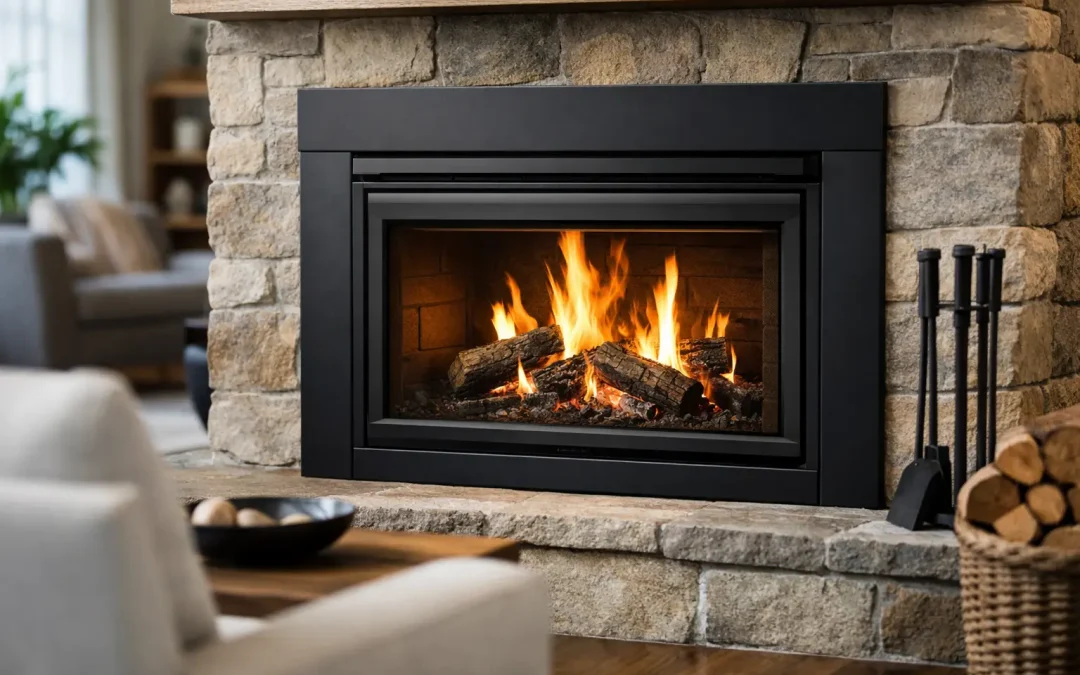
A drafty old fireplace can look charming and still do a poor job heating your home. That is usually the moment homeowners start asking, what is fireplace inserts, and whether one could turn an existing fireplace into something more efficient, safer, and easier to use.
A fireplace insert is a self-contained heating unit designed to fit inside an existing masonry or prefabricated fireplace opening. Instead of relying on an open firebox that sends much of the heat up the chimney, an insert is built to produce and retain more usable heat in the room. It gives you the visual appeal of a fireplace, but with better performance, cleaner operation, and far more control.
For many homeowners, the appeal is straightforward. You keep the focal point of the fireplace, but upgrade the function. If your current fireplace feels more decorative than practical, an insert can change that.
What is fireplace inserts, exactly?
The simplest way to think about a fireplace insert is as a sealed appliance that slides into an existing fireplace cavity. It is not the same as a traditional open fireplace, and it is not the same as building a brand-new fireplace from scratch.
Most inserts include a firebox, an insulated viewing area with glass, a venting system, and a surround that creates a finished look around the opening. Depending on the fuel type, they may also include burners, blowers, ignition systems, thermostatic controls, or remote operation.
The reason inserts perform differently comes down to design. Open fireplaces pull large volumes of heated indoor air toward the chimney. Inserts are engineered to control combustion and direct more heat into the living space instead. That difference matters if comfort, efficiency, and reliability are part of the goal.
How fireplace inserts work
A fireplace insert uses the existing fireplace structure as its installation location, but it operates as an independent appliance. The insert is fitted into the old firebox, connected to the proper venting system, and finished with a trim surround for a clean, built-in appearance.
With gas inserts, the unit burns natural gas or propane inside a sealed combustion chamber. Many models vent through a liner installed in the existing chimney, and many use direct vent technology to manage both exhaust and air intake. That means a more controlled burn and better indoor comfort.
Wood inserts work differently, but the principle is similar. They contain the fire more effectively than an open hearth and are designed to burn fuel more completely. Electric inserts do not require combustion at all. They create a flame effect and heat output using electricity, which makes installation easier in some homes, though the experience is different from a live flame.
The main types of fireplace inserts
Homeowners usually choose between gas, wood, and electric inserts, and each comes with trade-offs.
Gas inserts are often the preferred option for homeowners who want dependable heat, convenience, and a refined finish. They turn on quickly, offer consistent flame presentation, and often include controls that make daily use simple. For households focused on comfort without the work of handling firewood, gas is a strong fit.
Wood inserts appeal to people who enjoy the ritual and ambiance of a real wood-burning fire. They can produce excellent heat, but they require more hands-on maintenance, fuel storage, ash cleanup, and ongoing chimney care. They are less about convenience and more about experience.
Electric inserts are the easiest to install in many settings and can work well where venting is limited. They are often chosen for aesthetics and supplemental warmth rather than whole-room heating performance. They can be a practical option, but they do not deliver the same flame authenticity or fuel-based heat as gas or wood.
Why homeowners choose an insert instead of a traditional fireplace
The biggest reason is performance. Many older fireplaces lose more heat than they provide. You may enjoy the look of the fire while the room still feels chilly, especially once the flames die down.
A properly selected insert can improve heat output and reduce energy waste. It can also make the fireplace more usable on a day-to-day basis. Instead of preparing a fire and managing smoke, draft, and cleanup, many homeowners want a cleaner and more predictable experience.
There is also the design factor. An insert can update the appearance of an aging fireplace without a full rebuild. That makes it attractive for homeowners who want a more polished focal point with modern performance behind it.
When a fireplace insert is worth the investment
An insert is usually worth considering if you already have a fireplace opening that is underperforming, outdated, or rarely used because it is inconvenient. It can also make sense if you want zone heating in a main living area without remodeling the entire room.
That said, worth depends on your goals. If you want serious heating support and use the fireplace often, a gas or wood insert may bring clear value. If you mainly want appearance and occasional ambiance, the return is more about lifestyle than heating efficiency.
Homeowners preparing for resale also tend to see value in a fireplace that looks current and works reliably. Buyers notice comfort features, especially when they feel finished and professionally installed.
What to consider before installation
Not every existing fireplace is the right candidate for every insert. The size and condition of the firebox, chimney configuration, fuel availability, venting requirements, and code compliance all shape what is possible.
This is where expert guidance matters. A fireplace insert is not just a decorative add-on. It is a heating appliance that must be matched correctly to the home and installed with precision. Gas line sizing, venting, clearances, and manufacturer specifications all need to be handled properly for safe, reliable operation.
You also want the finished result to suit the room. Heat output is important, but so are flame presentation, surround style, media choices, and overall scale. A premium installation should feel tailored, not squeezed into place.
Common misconceptions about fireplace inserts
One common misconception is that any insert can be dropped into any fireplace. In reality, fit, venting, and fuel compatibility all need to be assessed carefully.
Another is that inserts are purely cosmetic. Some are selected mainly for visual impact, but many provide substantial heat and can significantly improve the usefulness of the fireplace.
There is also a tendency to assume open fireplaces are more authentic and therefore better. They may offer a classic look, but authenticity does not always equal comfort or efficiency. For many households, a sealed gas insert delivers a better day-to-day experience.
Is gas the best option for most homes?
In many cases, yes, especially for homeowners who want a balance of elegance, convenience, and dependable heat. Gas inserts are popular because they are clean-burning, easy to operate, and available in a wide range of premium designs.
They also suit the expectations of homeowners who value comfort without extra upkeep. You can enjoy a consistent flame, controlled heat, and a finished appearance that enhances the room instead of dominating it.
The best option still depends on the home and the homeowner. If you want hands-on fire building, wood may still be the right fit. If venting is a challenge and the fireplace is mainly decorative, electric may be enough. But for many households looking for a practical upgrade with lasting appeal, gas is the standout choice.
What is fireplace inserts really about for today’s homeowner?
At its core, the question is less about definition and more about function. What is fireplace inserts really asking? It is asking whether your current fireplace can become warmer, more efficient, more attractive, and easier to enjoy.
For many homes, the answer is yes. The right insert can transform an underused fireplace into a feature that supports both comfort and design. It can make the room feel more finished, give you more control over heat, and replace frustration with reliability.
That is why installation quality matters as much as the product itself. A fireplace should do more than look good in photos. It should operate safely, perform consistently, and feel like it belongs in the home.
When you view a fireplace insert as a customized upgrade rather than a simple accessory, the decision becomes clearer. You are not just filling an opening. You are improving how the space feels, how the system performs, and how confidently you can enjoy it season after season.
If your existing fireplace has become more of a backdrop than a benefit, an insert may be the upgrade that finally brings warmth, polish, and everyday ease back to the center of the room.