
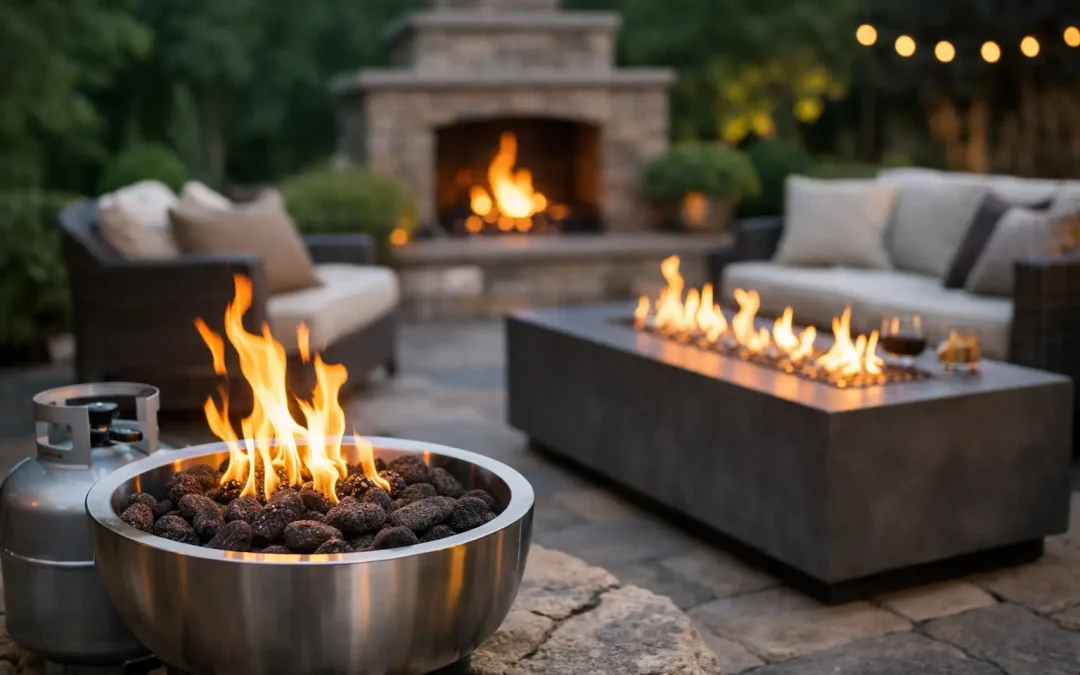
A great backyard fire feature changes how a space gets used. The patio stays comfortable longer, conversations last later into the evening, and the whole setting feels more finished. When homeowners start comparing fuel options, outdoor fire features propane systems often rise to the top for one simple reason: they deliver reliable warmth and visual appeal without the cleanup, smoke, and inconsistency of wood.
That convenience matters, but so does getting the details right. The best propane fire feature is not just the one that looks good in a showroom. It is the one that fits your layout, your entertaining style, your comfort expectations, and your property’s safety requirements. A premium result comes from thoughtful planning and expert installation, not guesswork.
Why outdoor fire features propane systems are so popular
Propane offers a strong balance of performance and flexibility. It lights quickly, burns cleanly, and gives you steady heat with minimal effort. For homeowners who want the atmosphere of a real flame without stacking wood, dealing with ash, or worrying about drifting smoke, propane is an easy upgrade.
It is also a practical solution for properties where running a natural gas line is not the preferred option. A propane setup can support a wide range of outdoor fire features, from compact fire tables to custom fire pits and more architectural linear designs. That makes it appealing for both established patios and new backyard projects.
There is also the design factor. Propane fire features work well in refined outdoor living spaces because they can be integrated cleanly into stone, concrete, metal, or custom millwork. The flame becomes part of the overall design instead of feeling like an add-on.
Choosing the right propane fire feature for your space
The right choice depends on how you plan to use the area. A fire table works well when your patio is centered around lounging and casual conversation. It gives you flame, surface space, and a furniture-like footprint in one piece. A fire pit often feels more social and traditional, especially if you want seating arranged around a focal point. A linear burner can create a more modern look and often fits beautifully along sectional seating or outdoor dining zones.
Size matters more than many homeowners expect. A feature that is too small can disappear in a large patio, while one that is too large can overwhelm circulation and seating. Heat output matters too, but bigger is not always better. If a flame feature produces more heat than the setting can comfortably handle, guests may end up moving away from it instead of gathering around it.
Material selection is equally important. Outdoor fire features need to handle weather, temperature fluctuation, and regular use. Finishes should be selected for durability as well as style. A custom installation should feel intentional from every angle, with the burner, media, and enclosure all working together visually.
What to consider before installation
A propane fire feature should never be treated like just another decorative backyard item. Fuel supply, burner sizing, ventilation, clearances, and placement all affect both performance and safety. This is where professional planning makes a noticeable difference.
Start with location. A fire feature needs enough space around it for safe use and comfortable seating. Wind exposure can also affect flame appearance and consistency, especially in more open yards. If your preferred location is exposed, a different burner design or surrounding structure may improve performance.
Fuel storage is another key decision. Some propane fire tables are designed to conceal a standard tank inside the unit. That can be convenient for smaller setups. Larger or custom fire features may call for a separate propane supply arrangement, particularly if you want longer run time and a cleaner overall appearance. The right approach depends on the feature size, frequency of use, and whether aesthetics or convenience takes priority.
It is also important to think about how the fire feature fits into the broader outdoor plan. If you are adding a seating wall, pergola, outdoor kitchen, or patio expansion, the fire element should be coordinated with those features from the beginning. Good design feels balanced. Great design also accounts for access, maintenance, serviceability, and safe clearances.
Safety is not the place to cut corners
Outdoor gas work requires precision. Proper connections, shut-off access, pressure considerations, ignition components, and ventilation details all matter. A beautiful fire feature loses its appeal quickly if it has unreliable ignition, uneven flame, or safety issues caused by poor installation.
This is why homeowners who care about quality tend to work with licensed, insured, and TSSA-certified professionals. Certified installation protects the performance of the feature and helps ensure the system is built to code and suited to the property. It also gives you confidence that the finished result is more than attractive – it is dependable.
There are trade-offs to keep in mind. Propane offers flexibility, but it does require fuel management. Tanks need refilling or replacement, and larger systems may need more advanced supply planning. Compared with wood, propane delivers a cleaner experience but not the same crackling sound or smoky campfire feel. Compared with natural gas, propane may be easier to introduce in some settings, but ongoing fuel logistics can be a factor. The best option depends on how you value convenience, aesthetics, and long-term use.
Design details that elevate the experience
The most successful outdoor fire features propane installations feel tailored to the property. They do not look generic or dropped into place at the end of the project. Instead, they reflect the architecture of the home, the scale of the outdoor space, and the way the homeowner wants to live in it.
Flame media plays a bigger role than many people realize. Fire glass can create a sleek, polished look. Lava rock tends to feel more organic and relaxed. Ceramic logs may appeal to homeowners who want a more traditional fireplace character outdoors. None of these choices is universally best. The right one depends on the style of the patio and the look you want after dark.
Height and seating relationship matter too. If the feature sits too low, the flame can disappear from certain angles. Too high, and it may interrupt sightlines or feel imposing. The best installations consider how people will actually use the space – seated with drinks, gathered after dinner, or moving between different entertainment zones.
Lighting also affects the result. A fire feature should complement your landscape lighting, not compete with it. Soft perimeter lighting and a well-proportioned flame often create a more elegant atmosphere than an oversized burner trying to be the only visual focal point.
Maintenance and long-term performance
One reason propane remains such a strong choice is that upkeep is generally straightforward. There is no ash to remove and no soot-heavy cleanup associated with wood burning. Still, low maintenance does not mean no maintenance.
Burners should be kept clean and inspected periodically. Ignition systems need to function properly, and outdoor exposure can take a toll on components over time. Covers help protect the feature when not in use, especially during off-season weather. If the installation includes a concealed propane tank or custom enclosure, access for service should be built into the design from the start.
A professionally installed system is usually easier to maintain because the details have been thought through. Serviceability is part of quality craftsmanship. When a feature is customized properly, it not only looks better on day one but tends to perform better over the long term.
For homeowners investing in premium outdoor living, that long-term reliability matters. The goal is not simply to add a flame. It is to add comfort, elegance, and dependable function in a way that feels worth the investment year after year.
When a customized solution makes the most sense
If you are working with an unusual patio layout, a high-end landscape plan, or a strong architectural vision, a custom installation is often the better path. Off-the-shelf options can work well in the right setting, but they are not always ideal for scale, finish coordination, or fuel integration.
A customized approach allows the fire feature to fit the space instead of forcing the space to fit the feature. That can mean adjusting dimensions, selecting materials that match existing hardscape, or planning propane access in a way that keeps the finished area clean and uncluttered. It also gives you more control over the experience itself, from flame presentation to seating comfort.
For discerning homeowners, this is usually where the difference between acceptable and exceptional becomes clear. A fire feature should feel like part of the property’s design language, not just another patio accessory. That is where expert guidance and a bespoke installation experience truly stand out.
At Platinum Gas, that standard starts with listening carefully, planning precisely, and delivering outdoor gas solutions that are as safe and reliable as they are visually impressive.
If you are considering a propane fire feature for your backyard, the smartest first step is not choosing a shape or finish. It is choosing a team that can help you create a fire feature that looks right, performs beautifully, and feels effortless every time you turn it on.