
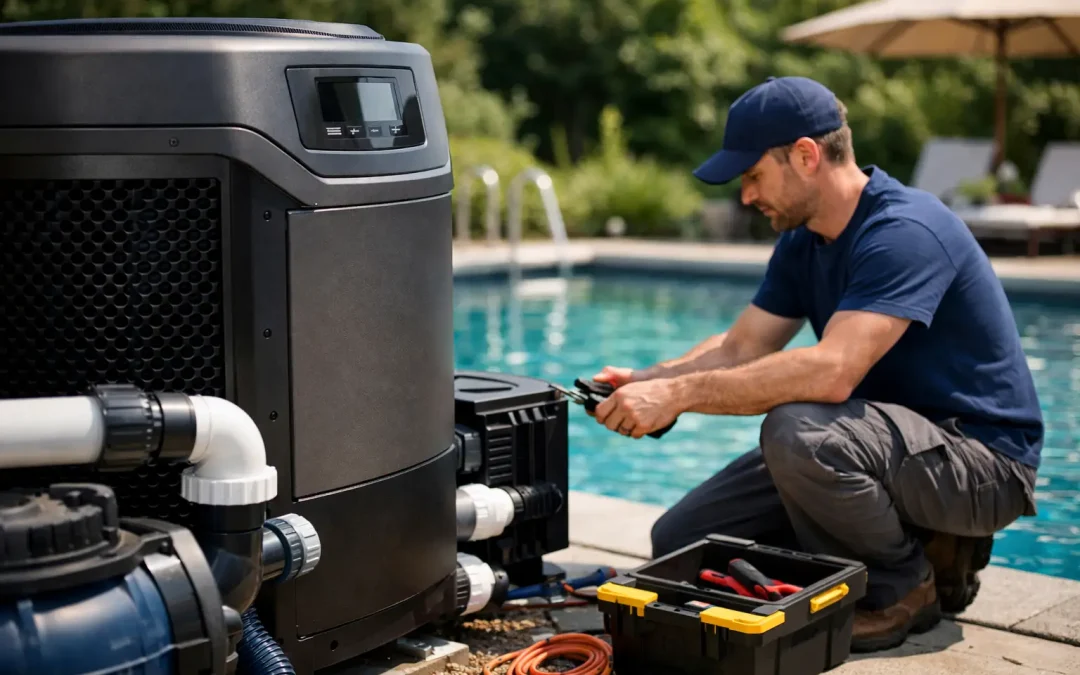
A pool heater can add months to your swim season, but only if the installation is handled with precision. Pool heaters install work is not just about connecting equipment and turning it on. It is about gas sizing, ventilation, equipment matching, code compliance, and setting up a system that delivers reliable heat without compromising safety.
For homeowners investing in comfort and outdoor living, that difference matters. A properly installed heater helps your pool warm faster, run more efficiently, and avoid the preventable service issues that often come from rushed or generic work.
Why pool heaters install is more technical than it looks
From the outside, a pool heater seems straightforward. In reality, gas pool heaters depend on several systems working together correctly. The gas line must be sized for the heater’s demand. The unit needs proper clearance and placement. In many cases, the existing gas supply has to be evaluated to make sure it can support the added load alongside other appliances.
This is where experience makes a visible difference. If the line is undersized, the heater may struggle to ignite, fail to reach temperature, or operate inefficiently. If the location is poorly chosen, exposure to wind, drainage issues, or limited service access can shorten equipment life and make future maintenance more difficult.
A premium installation considers the whole property, not just the equipment pad.
What to expect from a professional pool heater installation
The best installations start well before the heater arrives. A qualified technician should assess your current gas service, pool size, equipment layout, and heating goals. Some homeowners want to take the edge off cool evenings. Others want dependable, consistent heat for a longer season. Those goals affect heater sizing and setup.
A professional install typically includes proper equipment selection, gas line planning, code-compliant connections, startup testing, and verification that the system is operating as intended. It should also include a clear explanation of how to use and care for the heater.
That last part often gets overlooked. Homeowners should know what normal operation looks like, how long heating may take, and when to schedule service. A bespoke experience means the system is not only installed correctly, but handed over with care and clarity.
Choosing the right heater for your pool
Not every heater is the right fit for every property. The size of the pool, desired water temperature, frequency of use, and available fuel source all affect the recommendation.
Gas pool heaters are often the preferred choice for homeowners who want quick heat and dependable performance, especially in climates where pool use is seasonal. They are well suited for people who want flexibility – whether that means heating the pool for weekends, entertaining guests, or extending the season without waiting days for the water to warm.
Sizing is equally important. An undersized heater may run constantly and still leave the pool cooler than expected. An oversized unit can increase upfront cost without delivering meaningful added value for the way the pool is used. The right recommendation balances performance, operating expectations, and long-term efficiency.
Safety, permits, and certified workmanship
When gas is involved, there is no room for guesswork. Pool heater installations should be completed by licensed, insured, and properly certified professionals who understand fuel systems, venting requirements, and local code obligations.
Permits and inspections may be required depending on the project scope and location. That process protects the homeowner and helps confirm the work meets current standards. More importantly, it supports safe operation over the long term.
For property owners who value quality, this is not a minor detail. Certified workmanship protects your investment, supports reliable performance, and reduces the chance of costly issues down the road. Platinum Gas approaches installation with that standard in mind – combining technical precision with attentive, customer-focused service.
Common issues caused by poor installation
Many heater problems that appear to be equipment failures actually begin with installation errors. Low gas pressure, improper placement, weak drainage planning, and skipped commissioning steps can all affect performance.
The signs are not always dramatic at first. Sometimes the heater takes too long to warm the water. Sometimes it cycles on and off, struggles during colder weather, or needs service earlier than expected. Those issues can frustrate homeowners and take away from the experience they were hoping to create.
A careful installation helps avoid that pattern. It supports clean startup, steady heating, and easier maintenance over the life of the unit.
A better pool experience starts with the install
A pool heater should make your backyard more comfortable, more usable, and more enjoyable. That outcome depends on more than the heater itself. It depends on expert planning, customized installation, and a commitment to safety and reliability at every step.
If you are adding heat to your pool, the goal should not be simply getting the unit in place. The goal is a system designed for your property, installed with TSSA-certified precision, and built to deliver exceptional comfort season after season.